Find cases by research domain or method
Browse cases in drug screening, molecular interactions, protein complexes, omics, quantum chemistry, self-assembly and materials systems. Refine the list by method, system or keyword.
Showing 54 of 54 cases
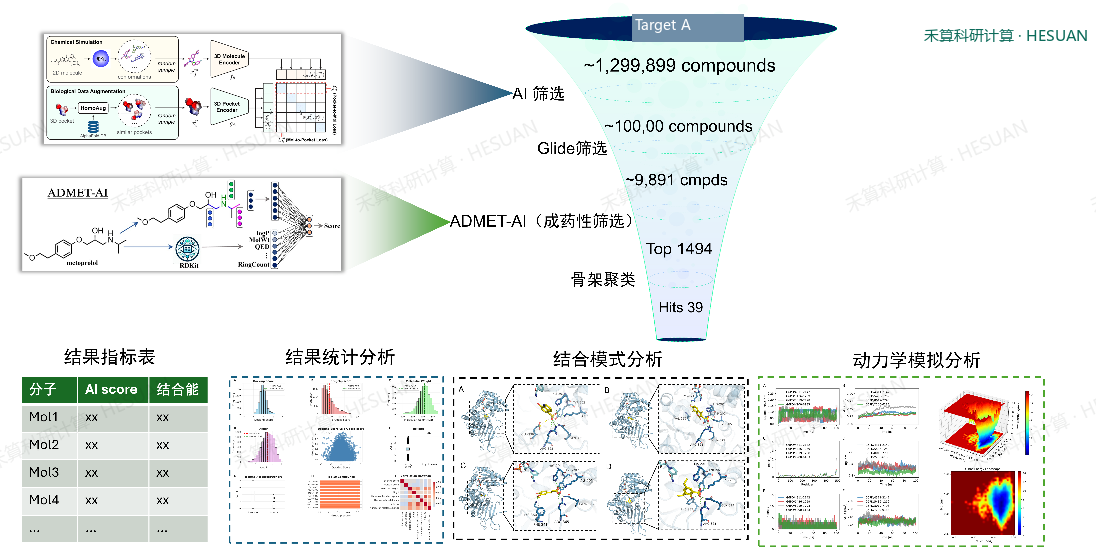 Report-backed
From Large Chemical Space to Candidates for Experimental Review
A staged funnel combines model ranking, structural review, scaffold diversity, developability risk and dynamic evidence to narrow a broad chemical space. The graphical abstract brings together candidate distributions, structural review and property comparisons across the screening funnel. The results establish a clear candidate hierarchy for experimental selection and subsequent lead optimisation. The result-focused presentation supports efficient review of the main evidence and research priorities.
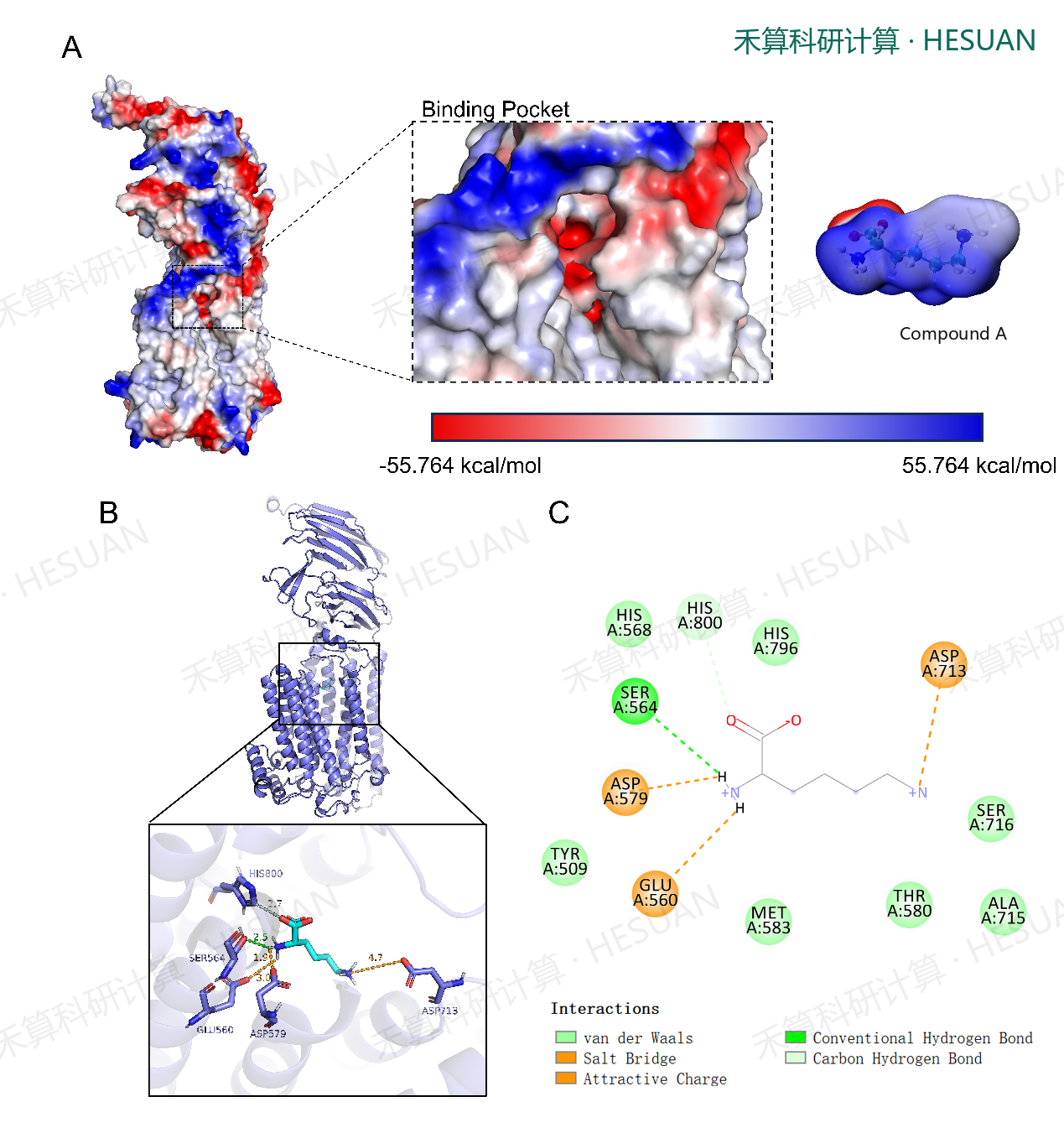 Report-backed
From Complex Modeling to Dynamic Stability Review
A reviewable complex hypothesis is tested through trajectory diagnostics, key contacts and local contribution patterns. The graphical abstract aligns representative poses, key contacts and cross-condition comparisons so interaction patterns can be reviewed quickly. The combined results establish pose priorities and actionable interaction leads. The result-focused presentation supports efficient review of the main evidence and research priorities.
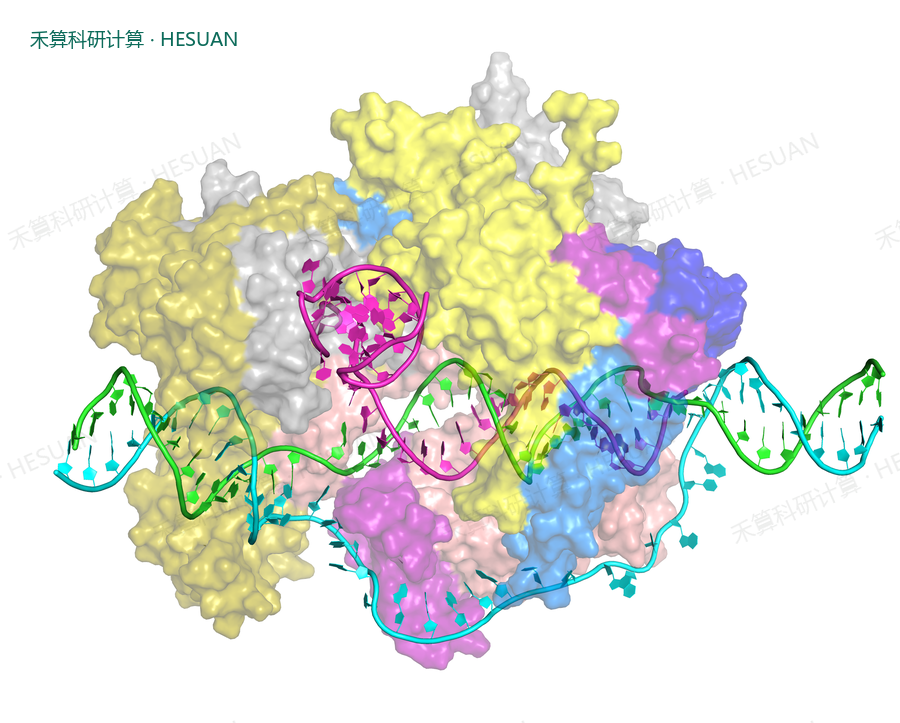 Report-backed
Multi-Condition Dynamics of Nucleic Acid–Protein Complexes
Matched preparation, sampling and analysis compare stability, interface contacts and approximate energetic trends across conditions. The graphical abstract integrates interface poses, dynamic changes and local contributions across the complex states. The results establish clear priorities for representative models and key interface regions. The result-focused presentation supports efficient review of the main evidence and research priorities.
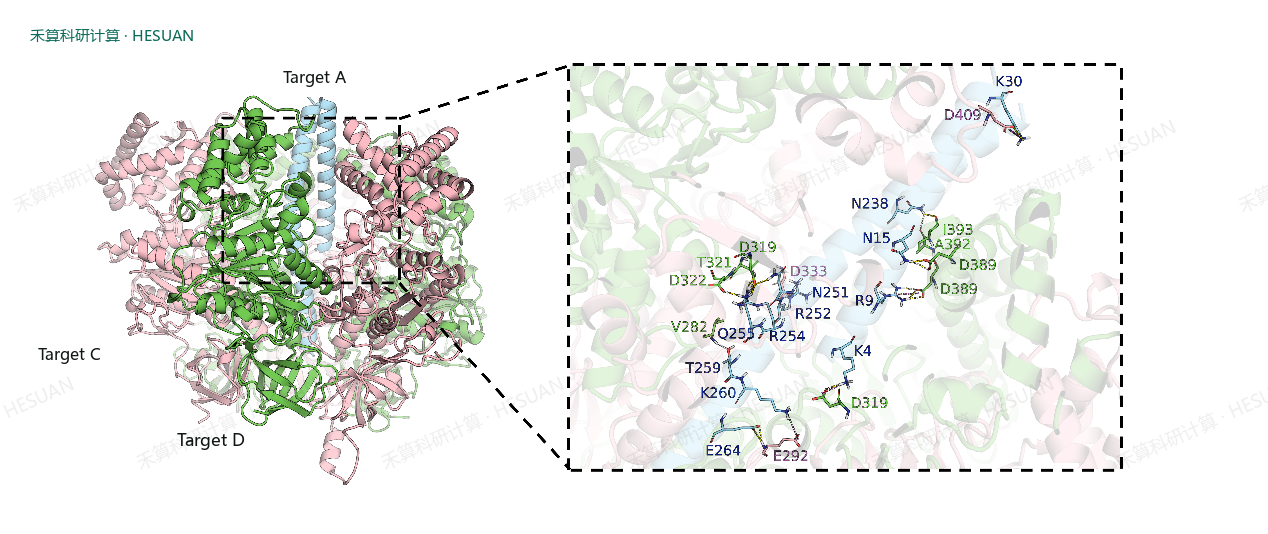 Report-backed
Stability and Binding Trends of Protein Complexes Before and After Modification
Matched models compare how an modification may alter local contacts, collective motion and approximate binding trends. The graphical abstract integrates interface poses, dynamic changes and local contributions across the complex states. The results establish clear priorities for representative models and key interface regions. The result-focused presentation supports efficient review of the main evidence and research priorities.
 Report-backed
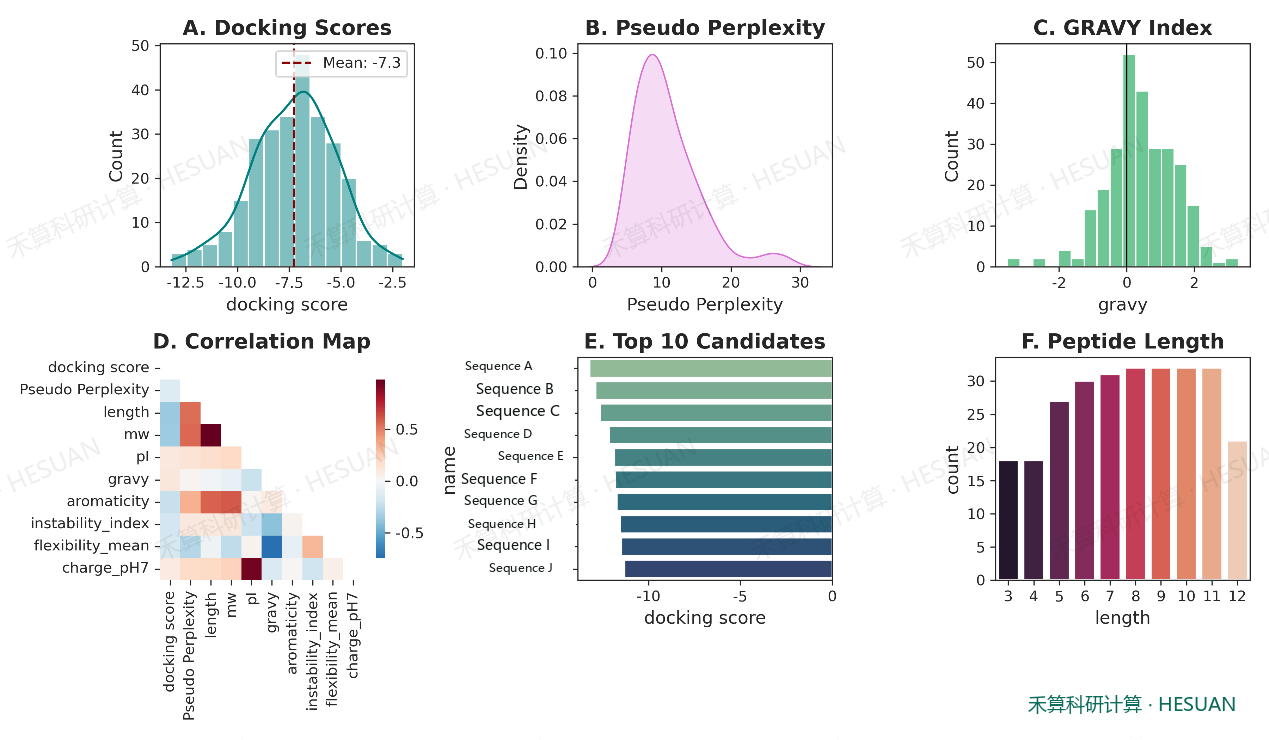
Generative Peptide Design and Multi-Parameter Candidate Prioritization
Sequence generation is connected to structural feasibility, interface review and developability risk to create a testable peptide shortlist. The graphical abstract brings together the principal sequence, structure and property results across candidates. The combined evidence establishes actionable priorities for sequences, sites or peptide candidates. The result-focused presentation supports efficient review of the main evidence and research priorities.
 Report-backed
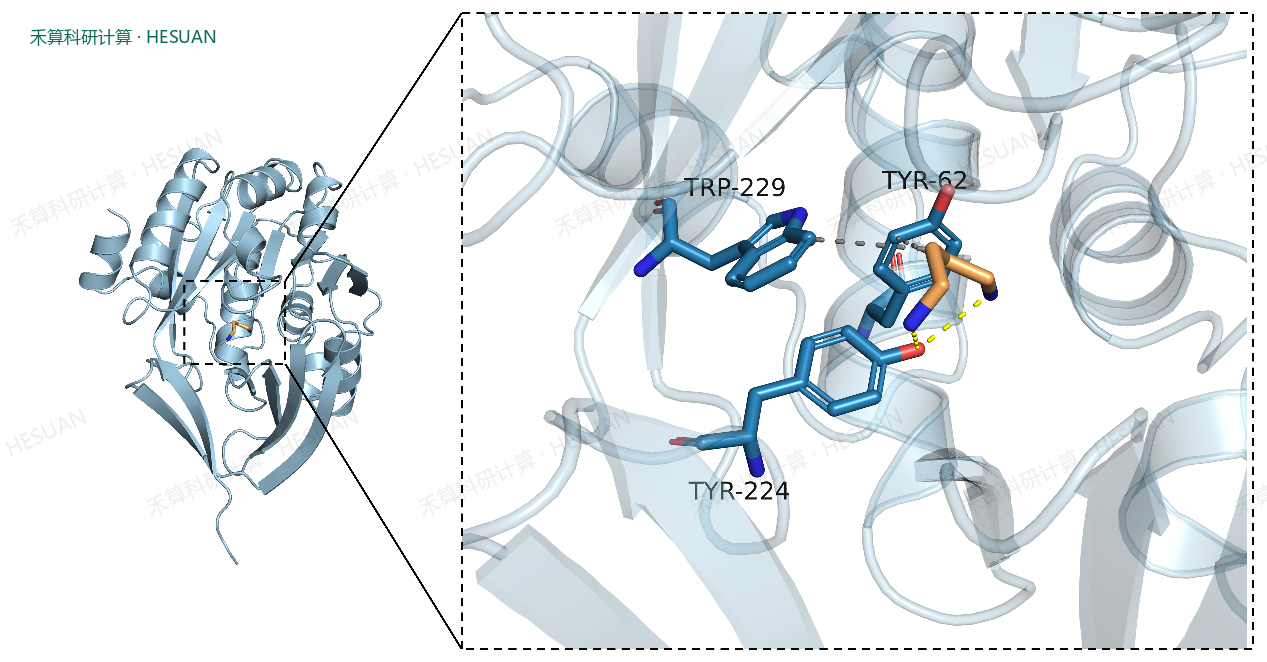
Virtual Saturation Mutagenesis to Map Critical Functional Regions
Local mutation scans and structural review identify region-level hypotheses rather than claiming successful single substitutions. The graphical abstract brings together the principal sequence, structure and property results across candidates. The combined evidence establishes actionable priorities for sequences, sites or peptide candidates. The result-focused presentation supports efficient review of the main evidence and research priorities. It also supports focused comparison across the disclosed computational results.
 Report-backed
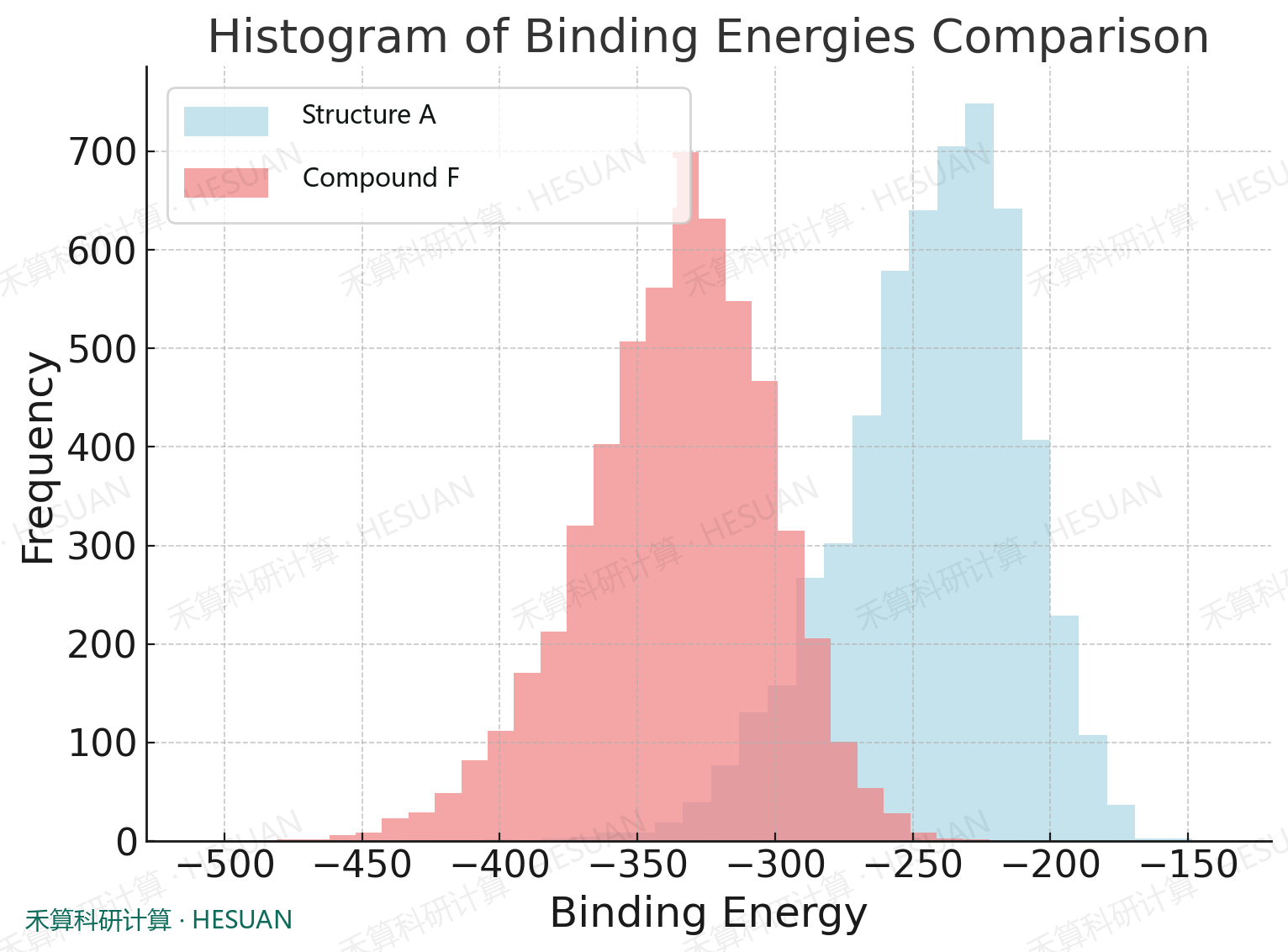
High-Throughput Protein Interaction Screening and Condition Comparison
A matched batch workflow compares docking clusters, interface geometry and ranking consistency across protein pairs. The graphical abstract integrates interface poses, dynamic changes and local contributions across the complex states. The results establish clear priorities for representative models and key interface regions. The result-focused presentation supports efficient review of the main evidence and research priorities.
 Report-backed
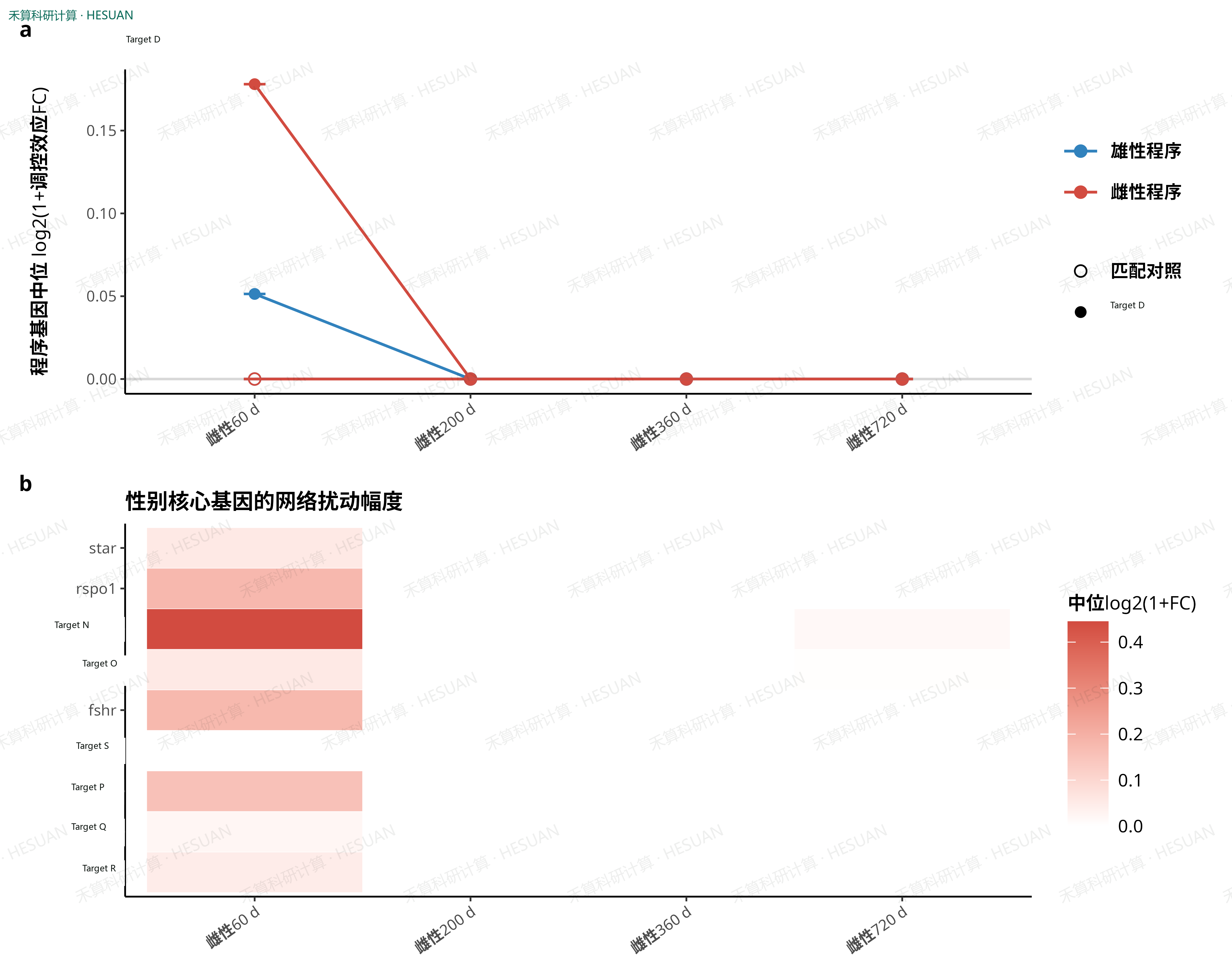
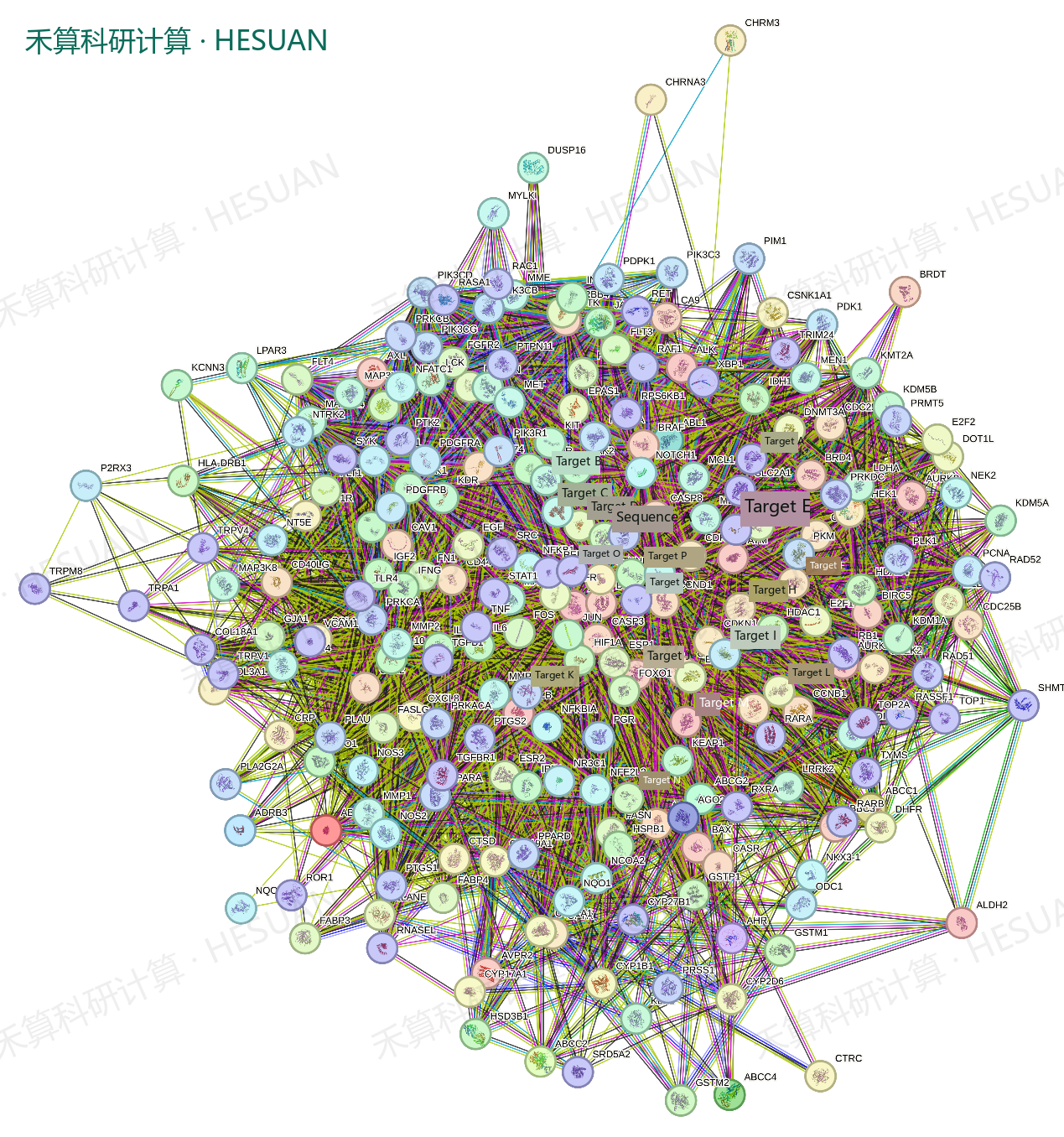
Single-Cell Network In Silico Knockout and State Perturbation Analysis
Single-cell state models and network perturbations prioritise intervention hypotheses with explicit robustness checks. The graphical abstract integrates data distributions, model responses and feature comparisons across analytical layers. The results establish clear priorities for features, perturbations or biomarker candidates. The result-focused presentation supports efficient review of the main evidence and research priorities. It also supports focused comparison across the disclosed computational results.
 Report-backed
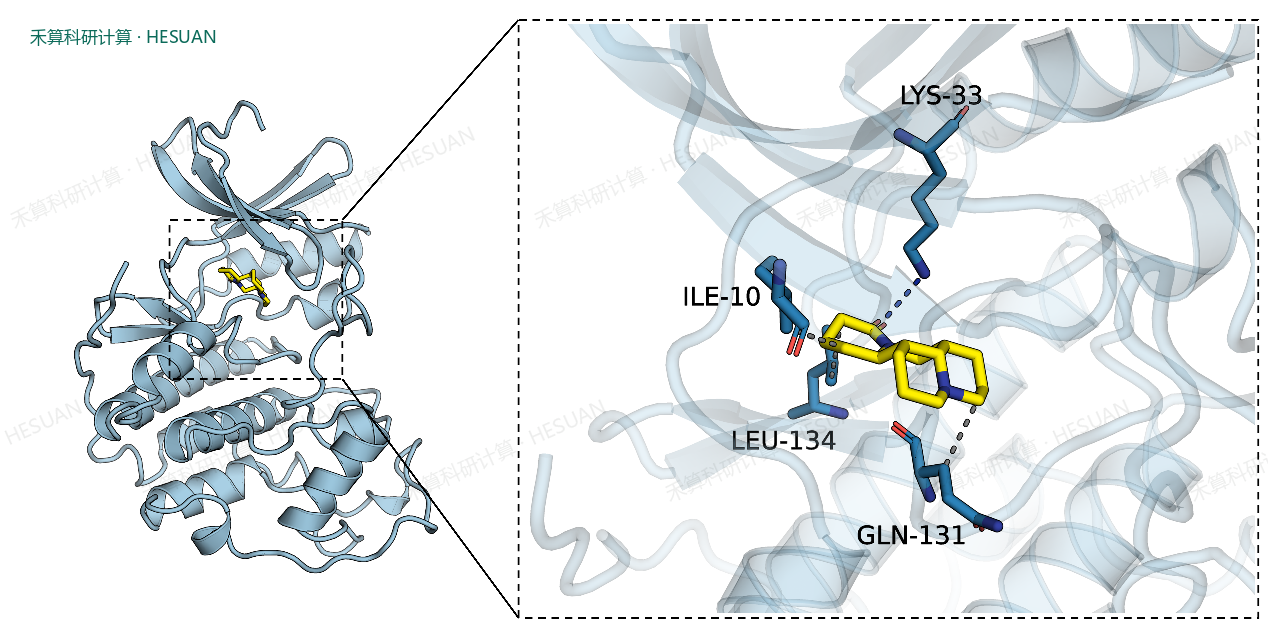
Integrating Network Pharmacology, Machine Learning, and Structural Simulation Evidence
Target, pathway, model and structural signals are integrated into a traceable mechanism hypothesis with explicit evidence grades. The graphical abstract connects network, functional and structural results across the evidence layers. The cross-layer results establish focused priorities for targets, pathways and mechanistic investigation. The result-focused presentation supports efficient review of the main evidence and research priorities.
 Report-backed
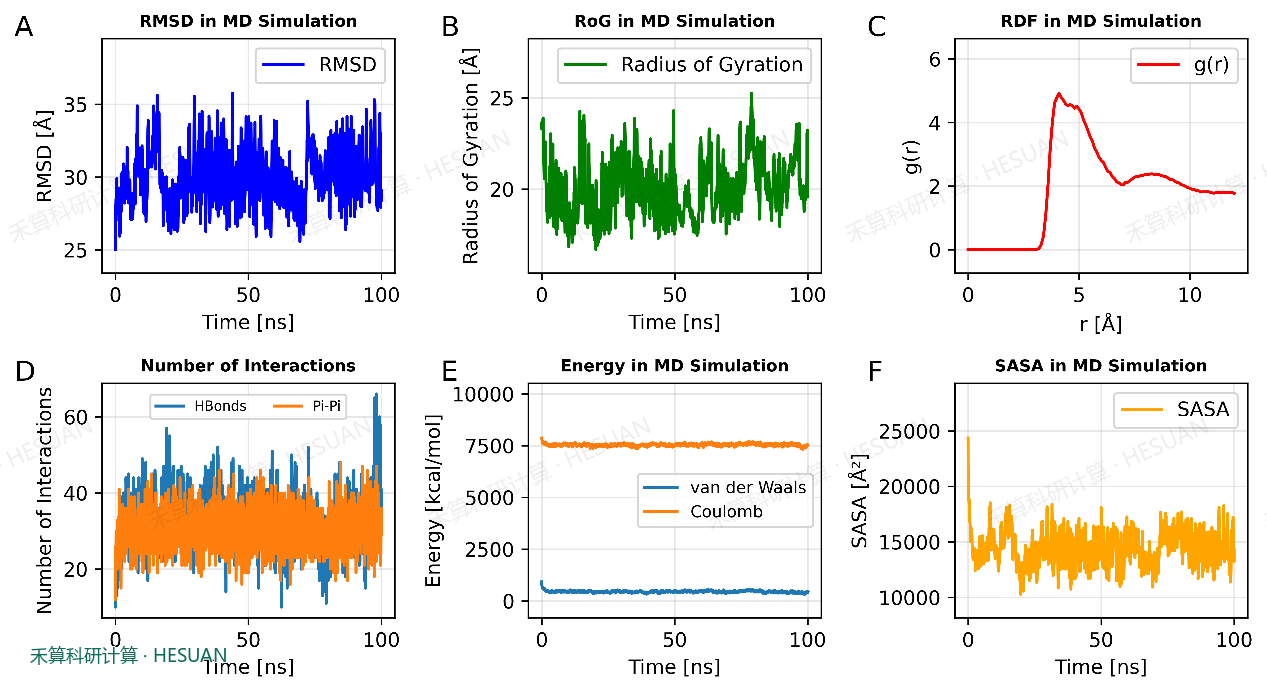
From Risk Targets to Structural and Dynamic Review
Network toxicology, structural review and dynamics are combined to rank risks while preserving the distinction between signals and toxicological evidence. The graphical abstract connects network, functional and structural results across the evidence layers. The cross-layer results establish focused priorities for targets, pathways and mechanistic investigation. The result-focused presentation supports efficient review of the main evidence and research priorities.
 Report-backed
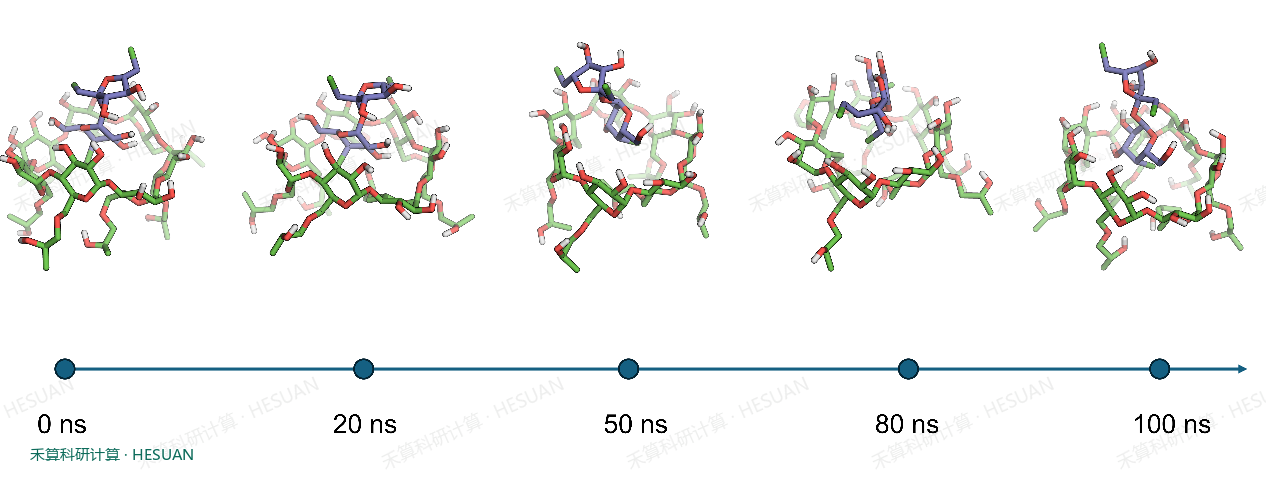
Dynamic Evolution of Two-Component Small-Molecule Self-Assembly
A finite trajectory from one two-component system follows aggregation from the sampled initial configuration. The graphical abstract links aggregation snapshots, structural metrics and conformational distributions across the assembly process. The combined results clarify aggregation paths, key contacts and representative states. The result-focused presentation supports efficient review of the main evidence and research priorities. It also supports focused comparison across the disclosed computational results.
 Report-backed
Host–Guest Recognition and Dynamic Stability Review
Matched host–guest models are compared through trajectory diagnostics, contact persistence and conformational-state review. The graphical abstract links aggregation snapshots, structural metrics and conformational distributions across the assembly process. The combined results clarify aggregation paths, key contacts and representative states. The result-focused presentation supports efficient review of the main evidence and research priorities. It also supports focused comparison across the disclosed computational results.
 Report-backed
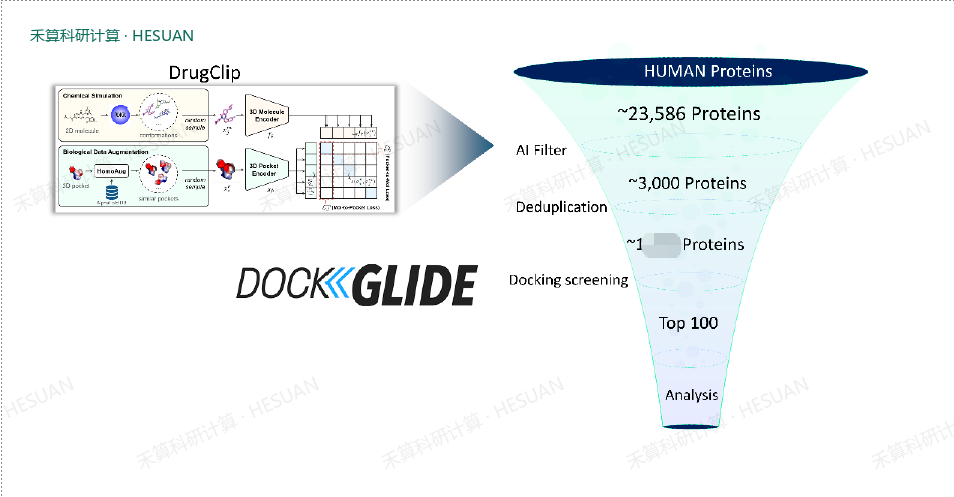
Proteome-Wide Reverse Target Screening with Structural Cross-Validation
An small molecule is used for pocket-representation retrieval, followed by structure preparation, batch docking, distribution review and functional enrichment. The graphical abstract brings together candidate distributions, structural review and property comparisons across the screening funnel. The results establish a clear candidate hierarchy for experimental selection and subsequent lead optimisation. The result-focused presentation supports efficient review of the main evidence and research priorities.
 Report-backed
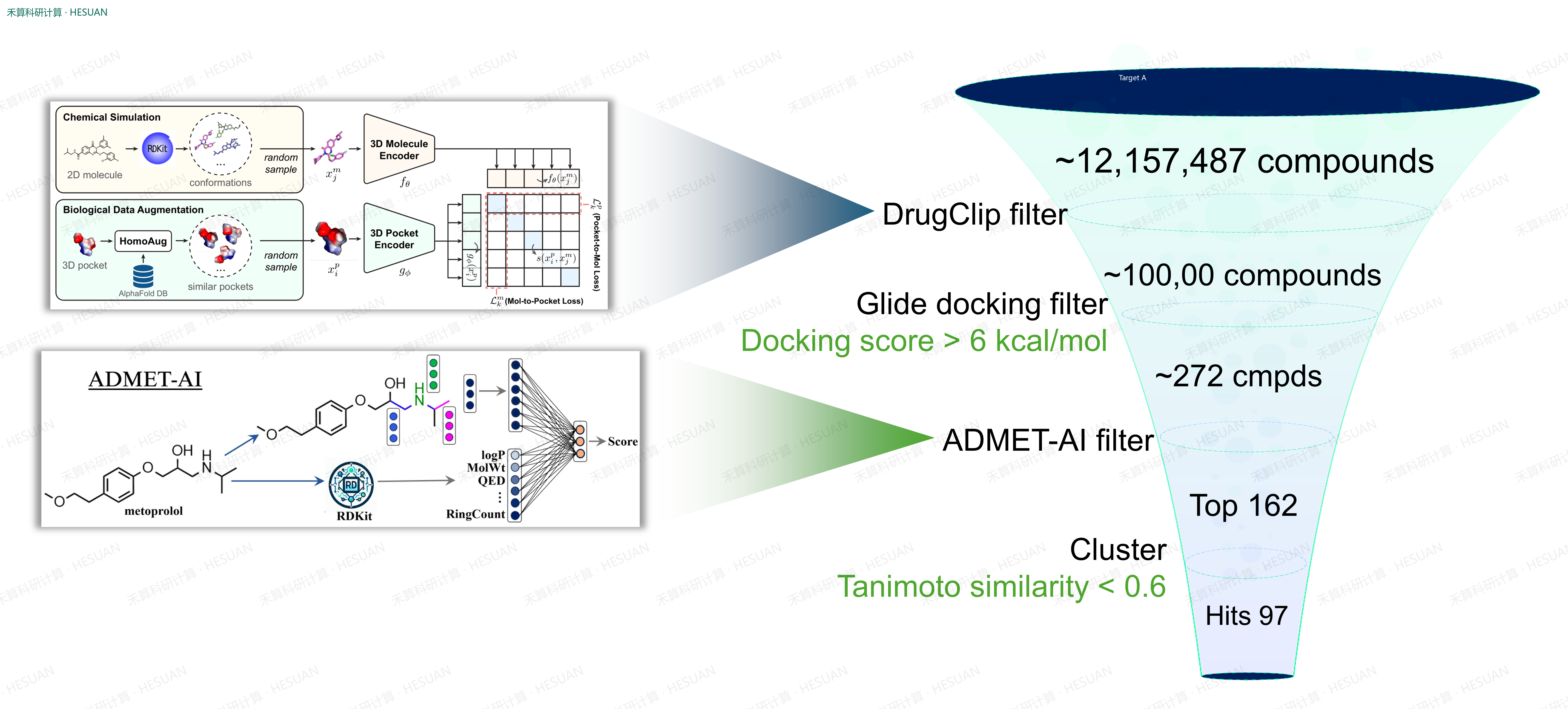
Ultra-Scale Active-Learning Virtual Screening
A structure-diverse seed set produces screening labels; active learning selects informative candidates for docking, dynamics, approximate-energy and property-risk review. The graphical abstract brings together candidate distributions, structural review and property comparisons across the screening funnel. The results establish a clear candidate hierarchy for experimental selection and subsequent lead optimisation. The result-focused presentation supports efficient review of the main evidence and research priorities.
 Report-backed
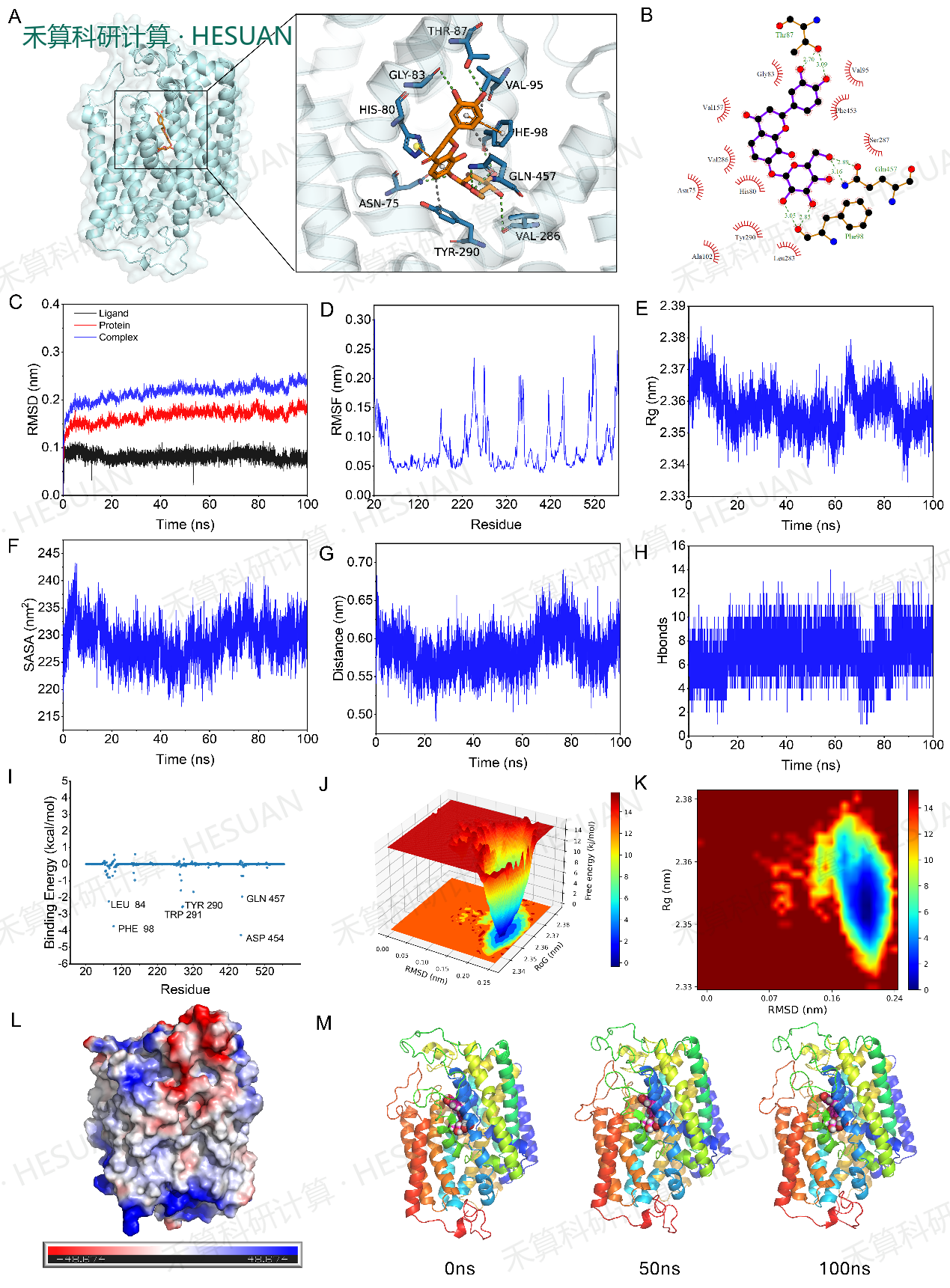
Membrane-Protein/Lipid-Bilayer Dynamics and Binding-Stability Review
An membrane-protein–ligand system is rebuilt in a mixed lipid bilayer and reviewed through trajectory diagnostics, interface contacts and relative energetic trends. The graphical abstract combines conformations, trajectories and interface contacts in the membrane environment. The results provide clear leads for comparing membrane-system states and guiding structural follow-up. The result-focused presentation supports efficient review of the main evidence and research priorities.
 Report-backed
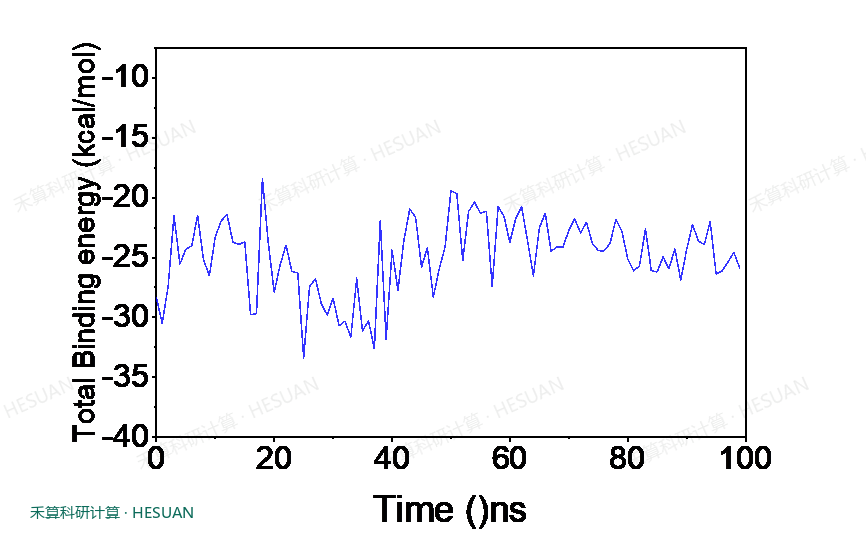
Multi-Complex Condition Comparison with Unified Structural, Dynamic, and Energy Review
Multiple complexes are compared under matched preparation, sampling and analysis to separate robust trends from system-specific differences. The graphical abstract integrates interface poses, dynamic changes and local contributions across the complex states. The results establish clear priorities for representative models and key interface regions. The result-focused presentation supports efficient review of the main evidence and research priorities.
 Report-backed
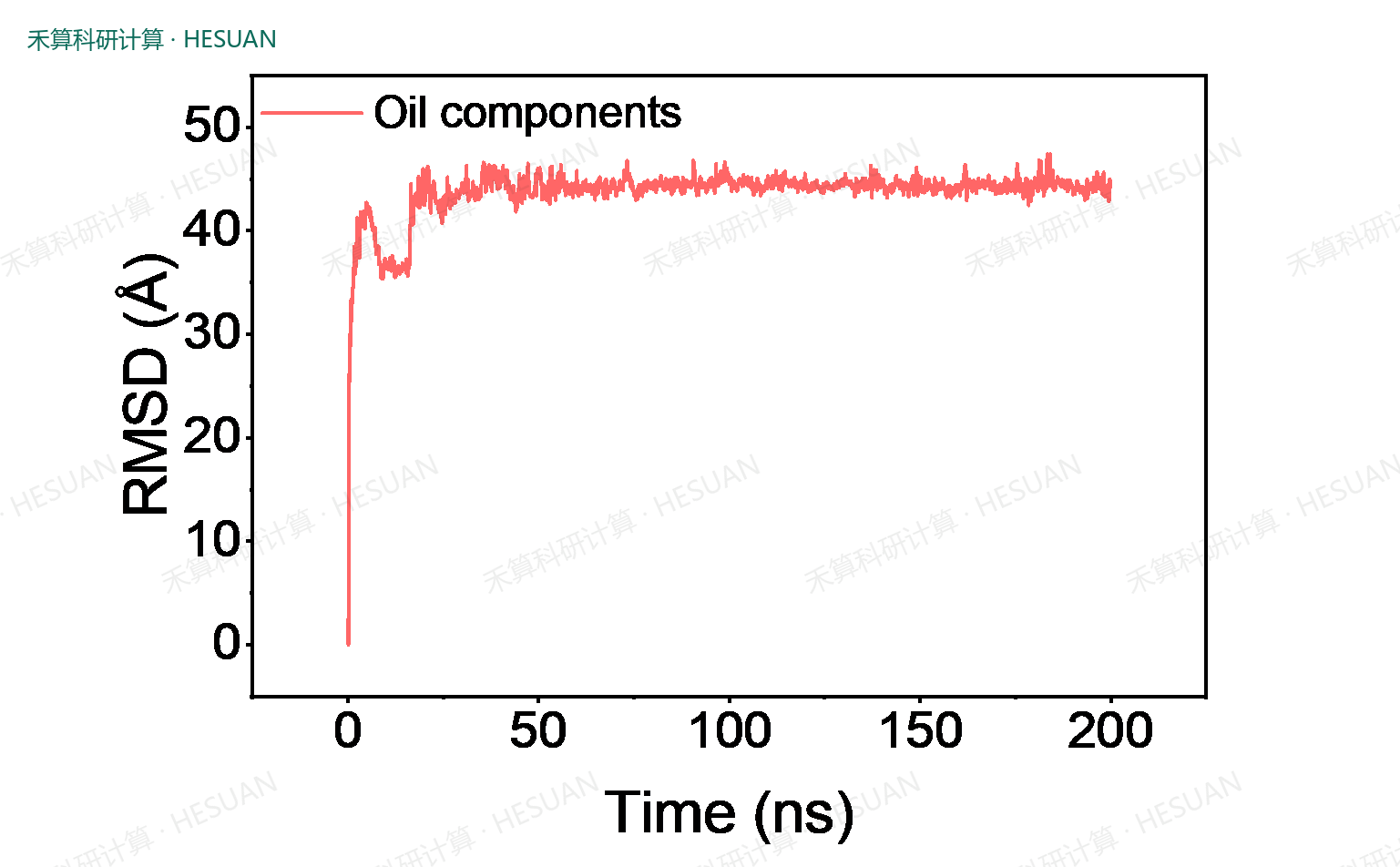
Competitive Binding and Free-Energy Landscape Review
Matched complexes with and without a competitor are compared using dynamics, interface contacts, approximate energies and free-energy landscapes. The graphical abstract integrates interface poses, dynamic changes and local contributions across the complex states. The results establish clear priorities for representative models and key interface regions. The result-focused presentation supports efficient review of the main evidence and research priorities.
 Report-backed
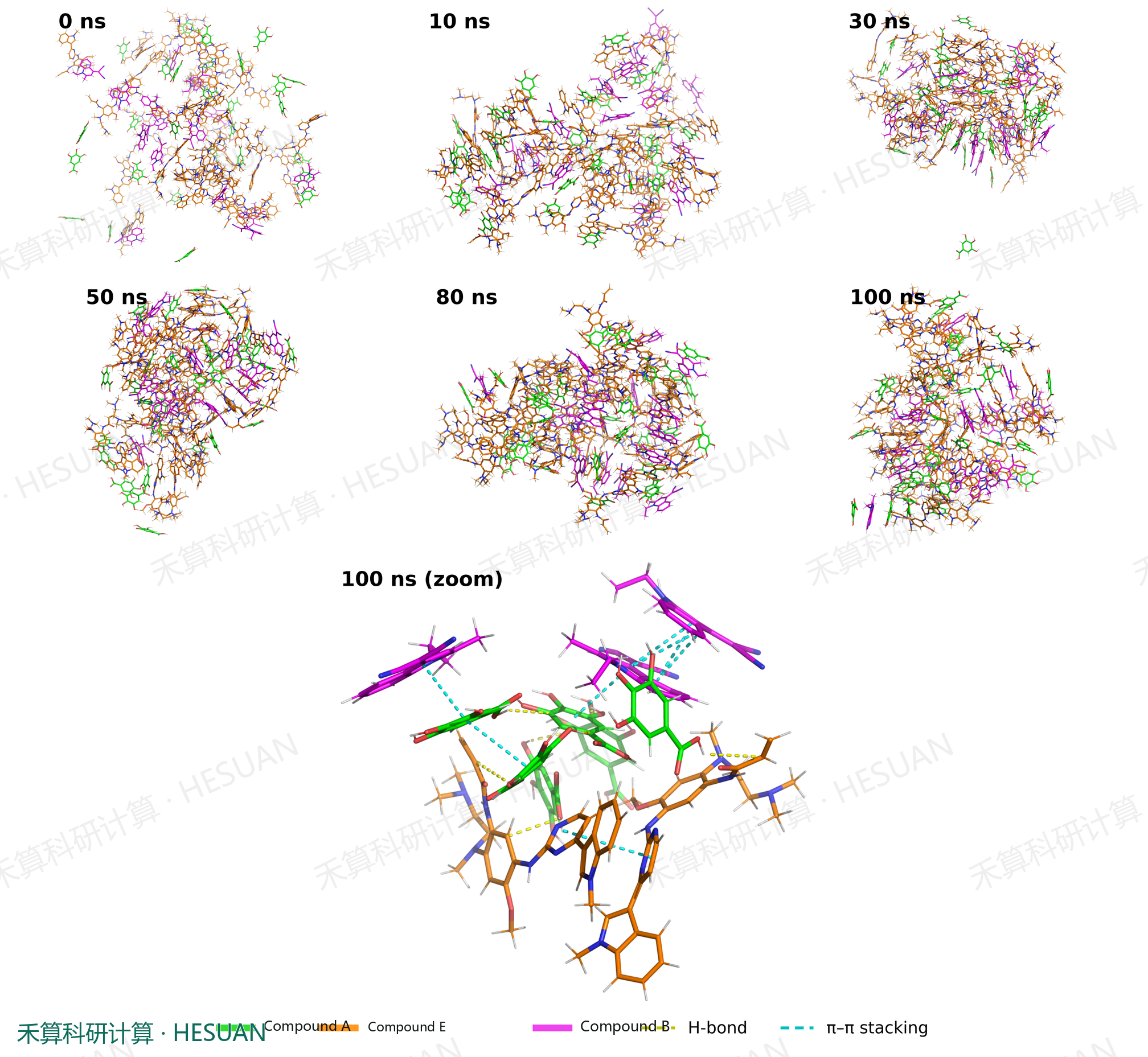
Aggregation and Interfacial Partitioning Trends in a Multicomponent Mixture
An multicomponent mixture is simulated in explicit water, with clustering, compactness, solvent exposure and interface analyses used to review finite-system aggregation and partitioning trends. The graphical abstract integrates cluster evolution, interface structure and component distributions in the complex system. The results provide a direct basis for formulation comparison, structural control and subsequent materials research. The result-focused presentation supports efficient review of the main evidence and research priorities.
 Report-backed
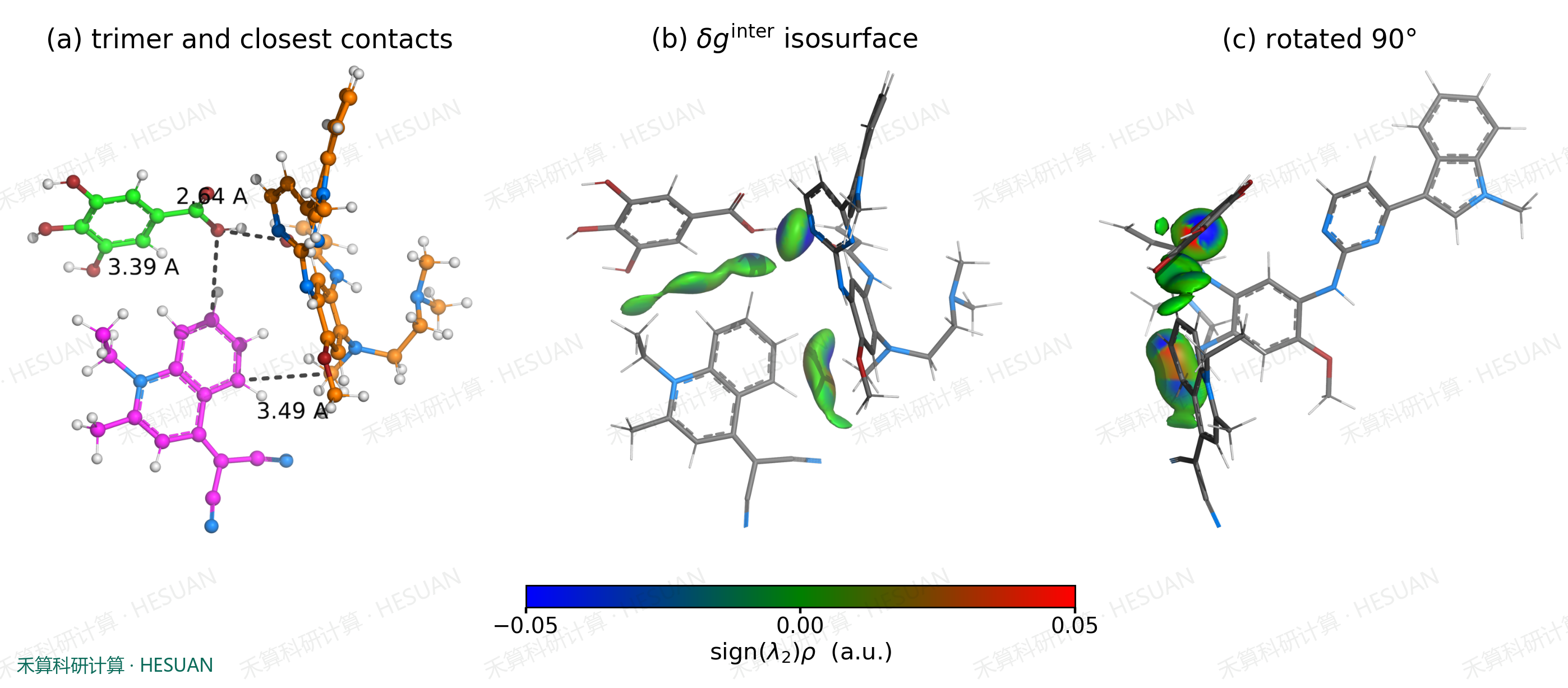
Model-Based Evidence Review of Ternary Self-Assembly with MD, MM/GBSA and PCA
Explicit-solvent dynamics, clustering, RDF, contacts, SASA, PCA/FEL and conditional MM/GBSA are combined to review ternary co-assembly and conformational modes. The graphical abstract links aggregation snapshots, structural metrics and conformational distributions across the assembly process. The combined results clarify aggregation paths, key contacts and representative states. The result-focused presentation supports efficient review of the main evidence and research priorities.
 Report-backed
IGM Analysis of Weak Interactions in a Ternary Aggregate
A representative local trimer from an assembly trajectory is reviewed using promolecular-density IGM, δg and contact geometry to help suggest possible directional hydrogen-bond-like or dispersion-dominated contact regions. The graphical abstract links aggregation snapshots, structural metrics and conformational distributions across the assembly process. The combined results clarify aggregation paths, key contacts and representative states. The result-focused presentation supports efficient review of the main evidence and research priorities.
 Report-backed
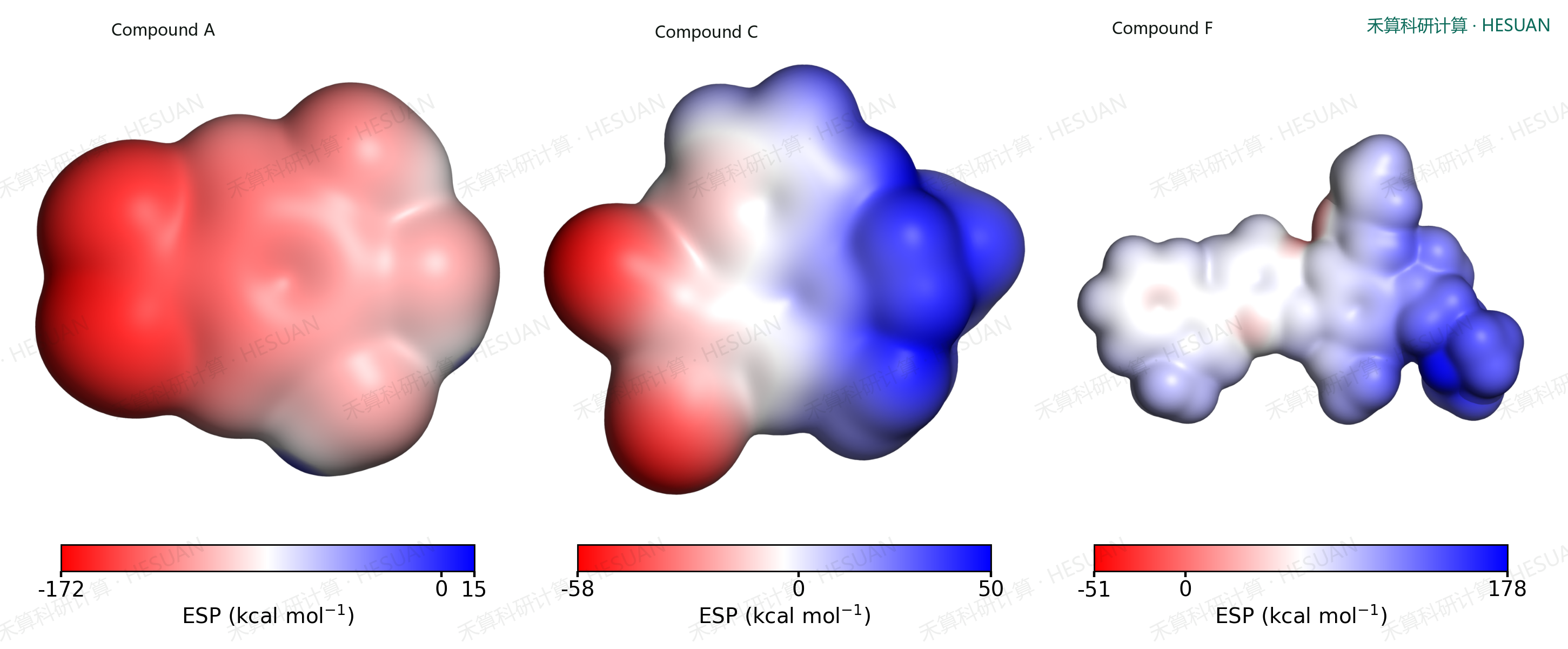
Electronic-Structure Analysis with ESP and HOMO–LUMO Descriptors
Electrostatic potential, frontier-orbital localisation and relative gaps are compared under explicit charge, protonation, conformation and solvent assumptions. The graphical abstract combines electronic structure, electrostatic distribution and energetic features of the candidate system. The results provide clear leads for reactivity comparison, interaction interpretation and molecular optimisation. The result-focused presentation supports efficient review of the main evidence and research priorities.
 Report-backed
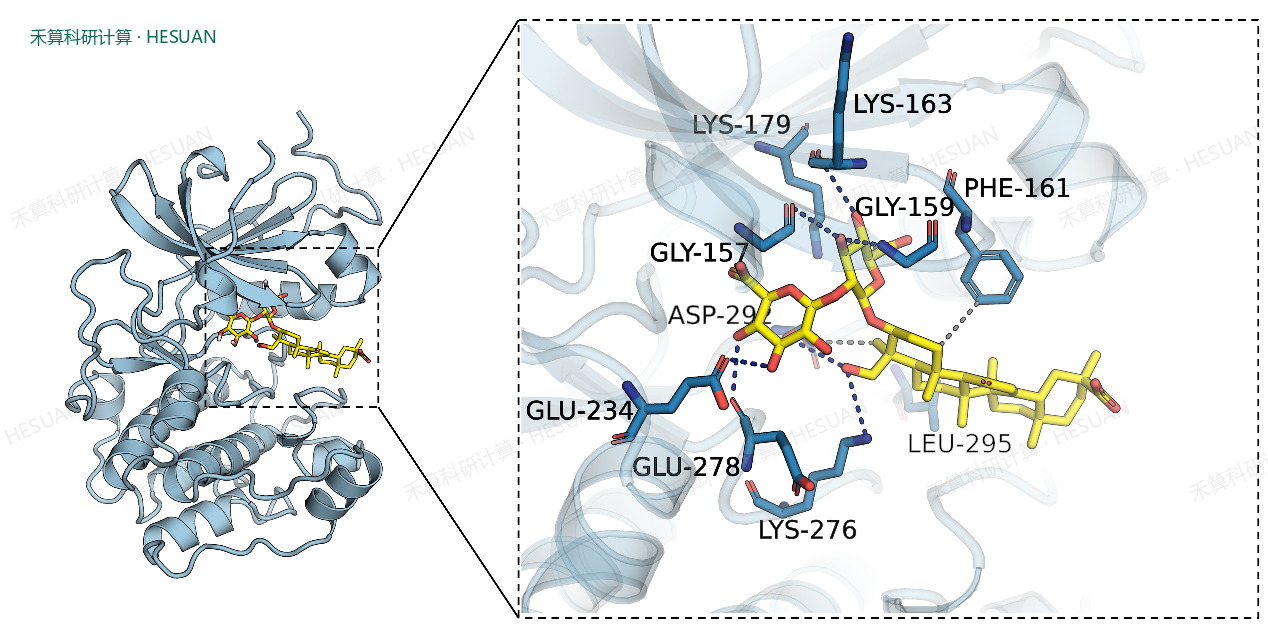
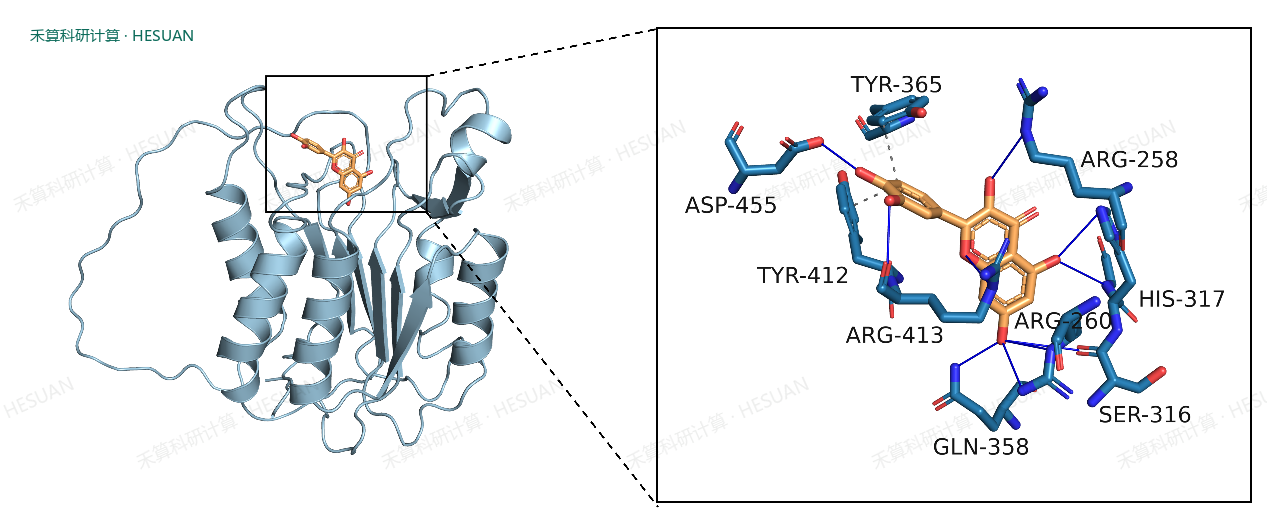
Joint Review of Small-Molecule Docking and Molecular Dynamics
A reviewable docking pose is connected to standardized preparation, trajectory diagnostics, key contacts and approximate energies for cross-review. The graphical abstract brings together candidate distributions, structural review and property comparisons across the screening funnel. The results establish a clear candidate hierarchy for experimental selection and subsequent lead optimisation. The result-focused presentation supports efficient review of the main evidence and research priorities.
 Method demo
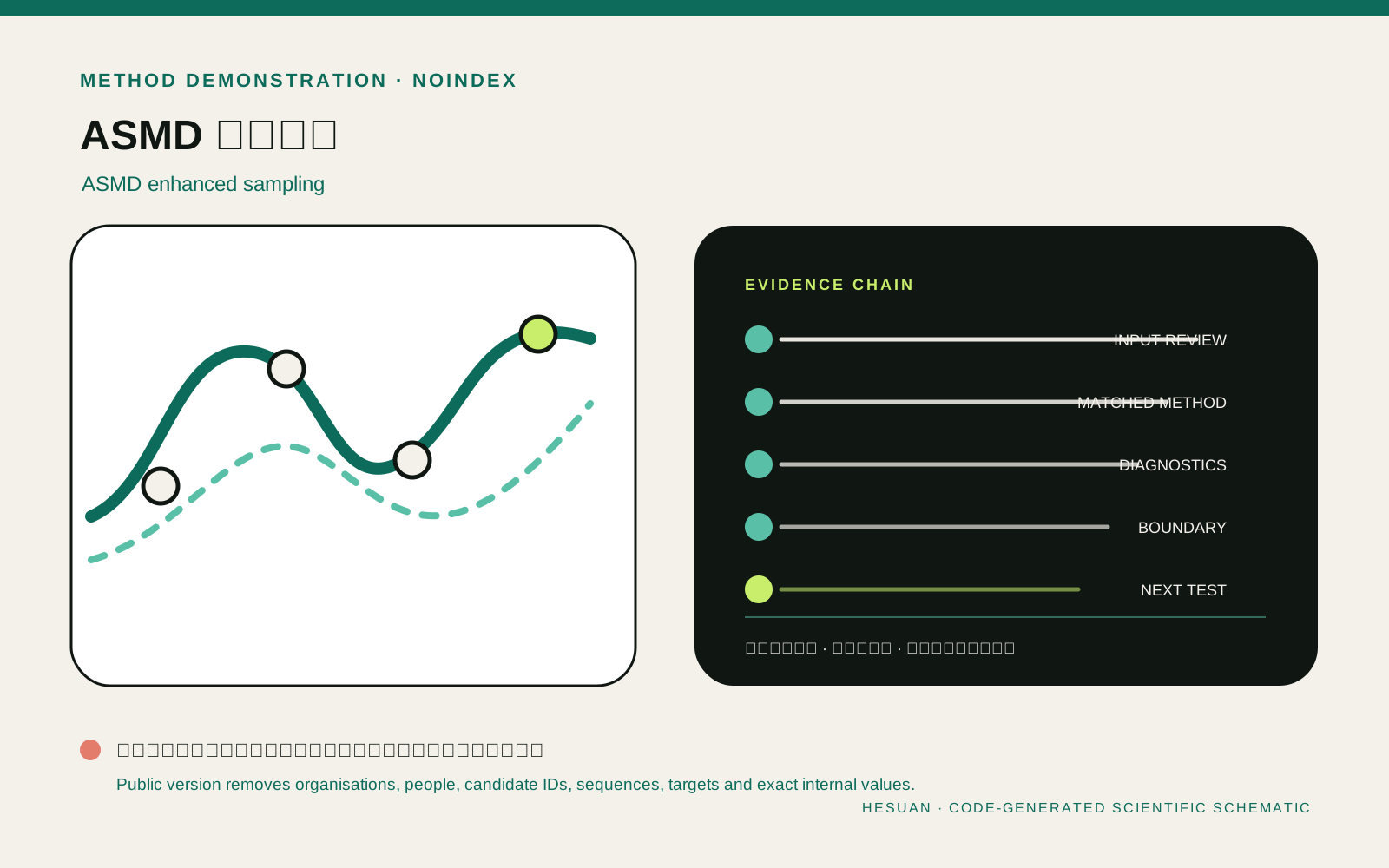
ASMD Enhanced Sampling for Unbinding-Pathway Exploration
This method demonstration stages a pulling coordinate and combines stage-wise Jarzynski averages to review pathways, sampling efficiency and PMF convergence. The graphical abstract aligns representative poses, key contacts and cross-condition comparisons so interaction patterns can be reviewed quickly. The combined results establish pose priorities and actionable interaction leads. The result-focused presentation supports efficient review of the main evidence and research priorities.
 Method demo
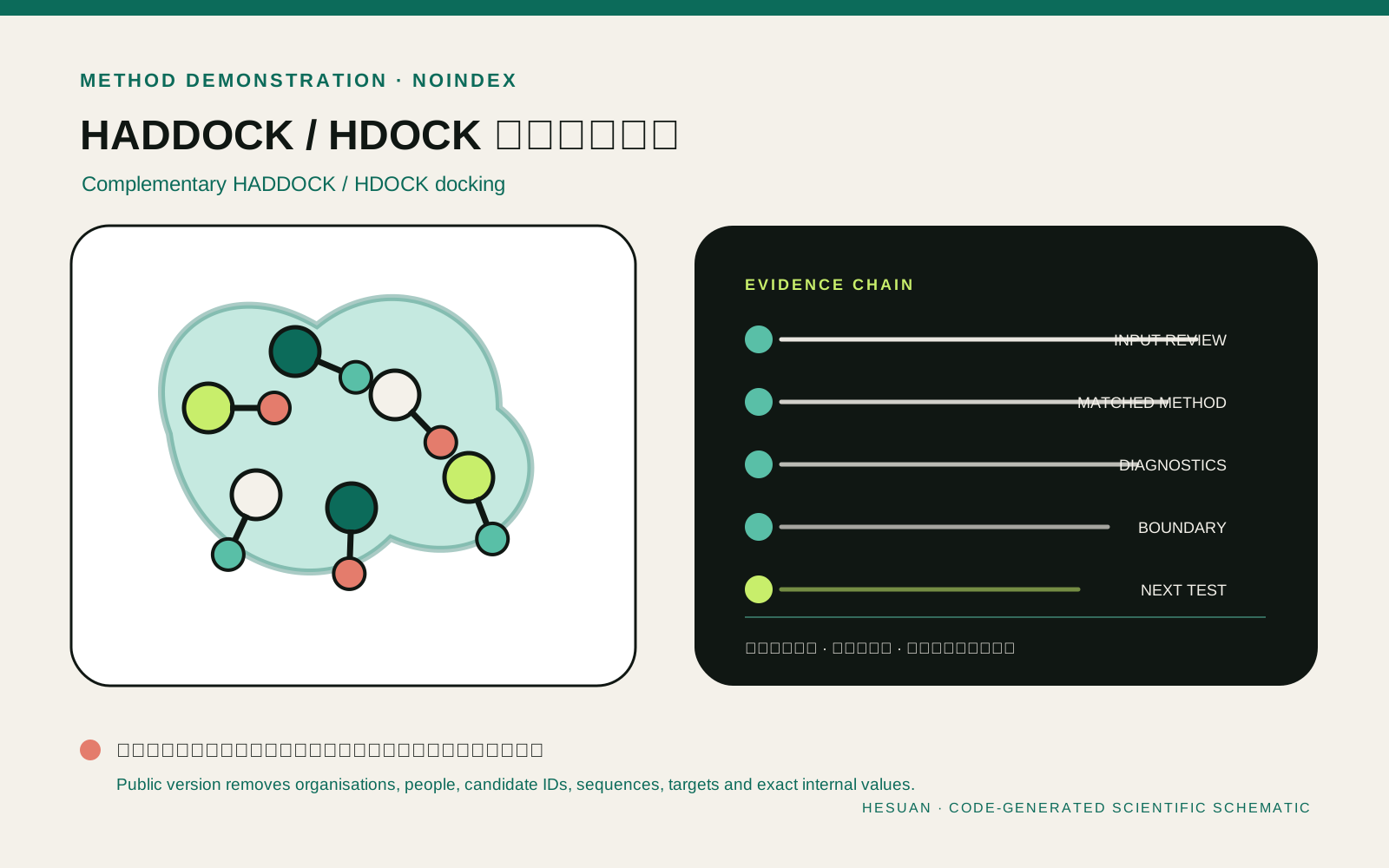
Complementary Protein–Protein Docking with HADDOCK and HDOCK
Constraint-guided and global rigid-body docking are demonstrated side by side from preparation and residue priors to clustering, interface review and independent scoring. The graphical abstract aligns representative poses, key contacts and cross-condition comparisons so interaction patterns can be reviewed quickly. The combined results establish pose priorities and actionable interaction leads. The result-focused presentation supports efficient review of the main evidence and research priorities.
 Method demo
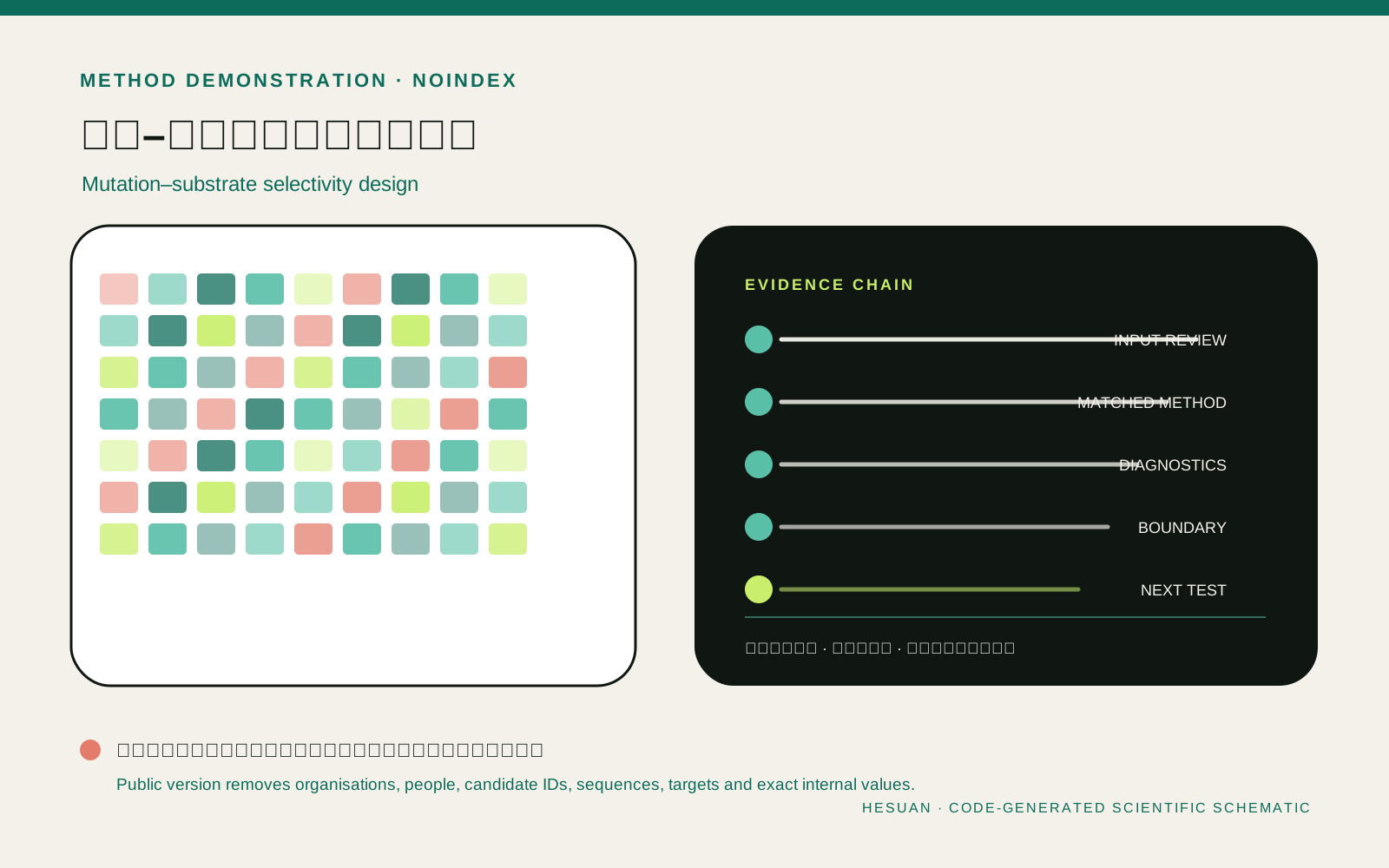
Multi-System Mutation Design for Substrate Selectivity
Multiple anonymized protein–substrate systems are docked and locally scanned to compare mutation effects and create region-level experimental priorities. The graphical abstract brings together the principal sequence, structure and property results across candidates. The combined evidence establishes actionable priorities for sequences, sites or peptide candidates. The result-focused presentation supports efficient review of the main evidence and research priorities.
 Report-backed
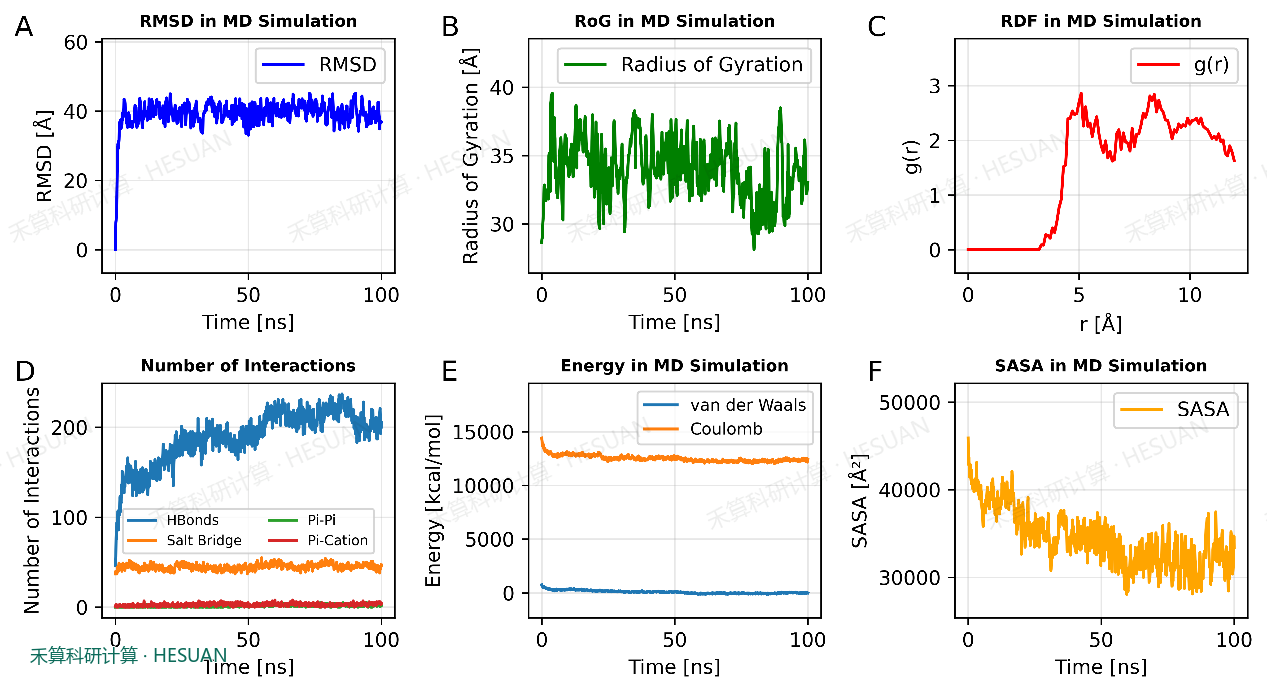
Peptide Self-Assembly and Aggregation Dynamics
Explicit-solvent trajectories follow the peptide system from dispersed contacts to aggregated conformations, with complementary structural metrics describing the main assembly states. The graphical abstract links aggregation snapshots, structural metrics and conformational distributions across the assembly process. The combined results clarify aggregation paths, key contacts and representative states. The result-focused presentation supports efficient review of the main evidence and research priorities.
 Report-backed
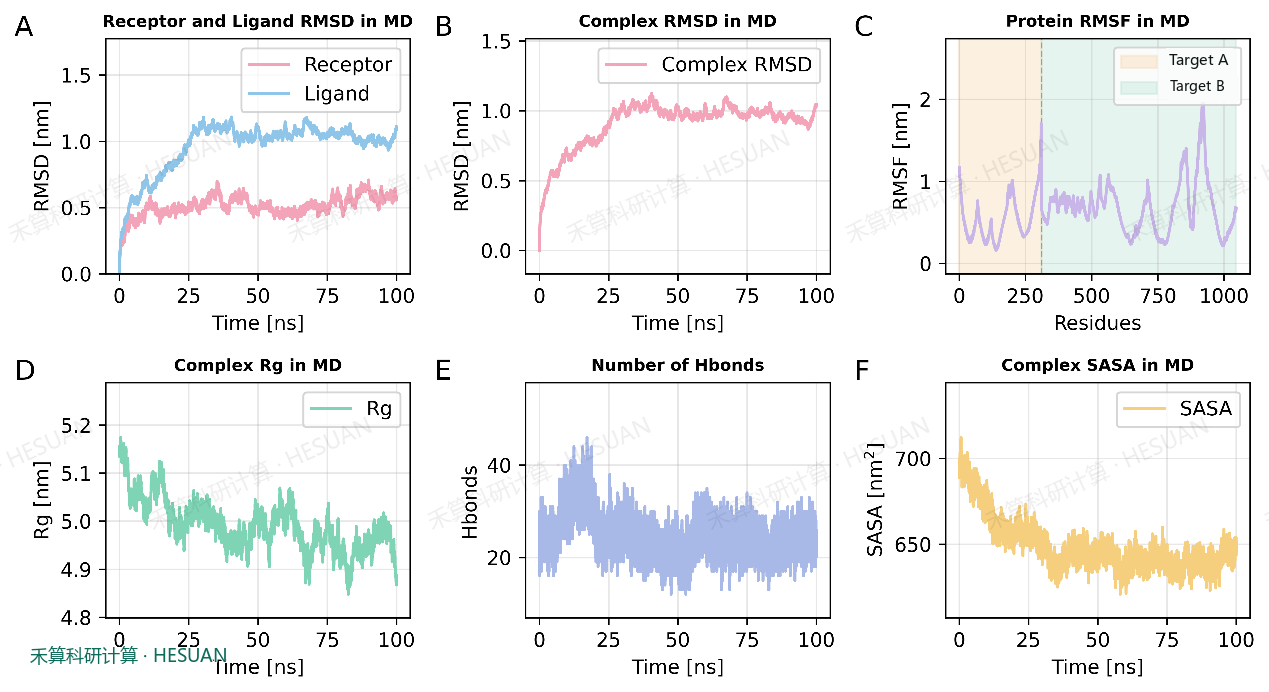
Protein–Protein Complex Dynamics and Interface Stability Review
Trajectory stability, interface contacts, local energetic contributions and free-energy landscape projections jointly describe the principal states of the protein complex. The graphical abstract integrates interface poses, dynamic changes and local contributions across the complex states. The results establish clear priorities for representative models and key interface regions. The result-focused presentation supports efficient review of the main evidence and research priorities.
 Report-backed
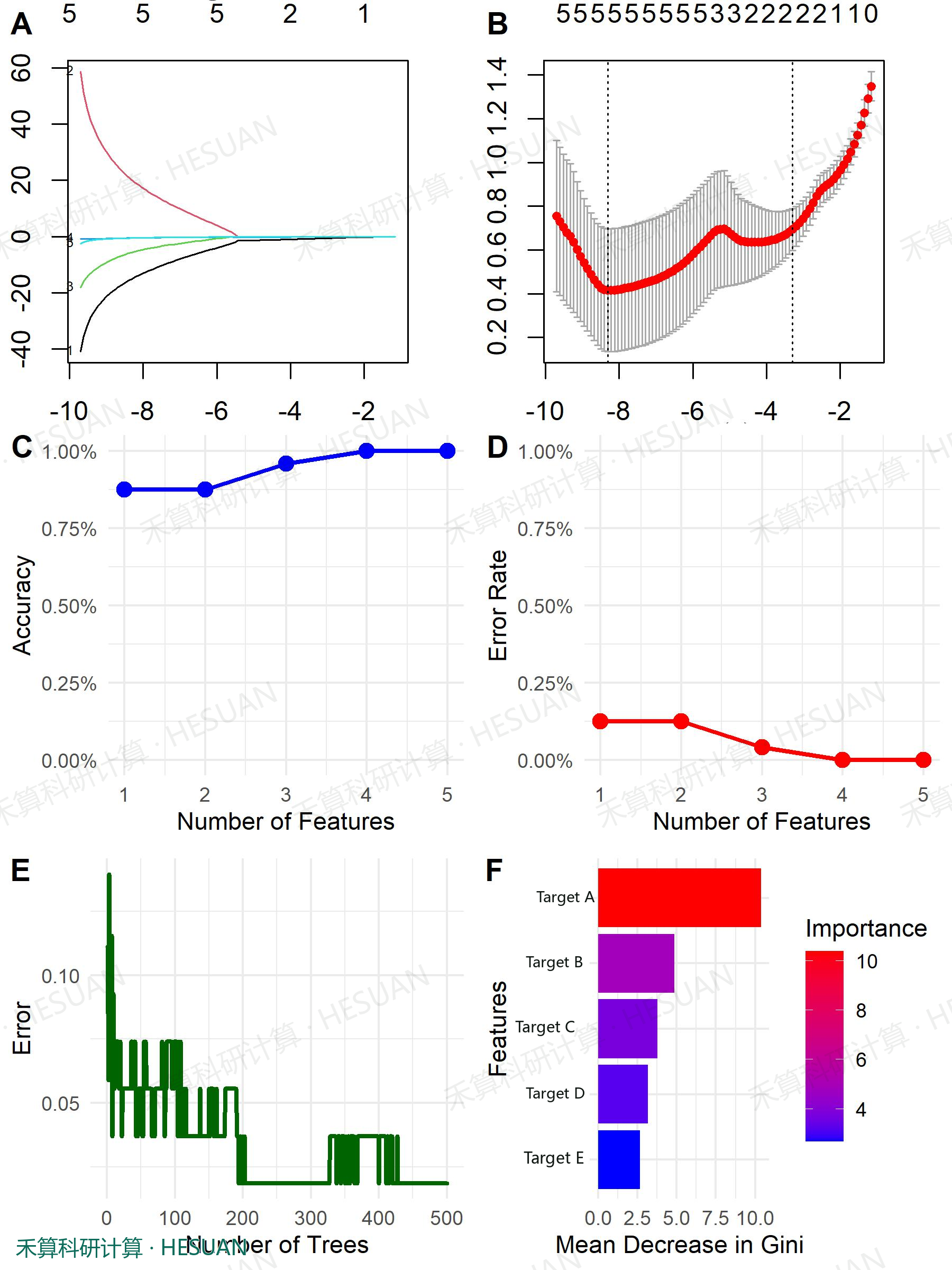
Multi-Algorithm Machine-Learning Feature Screening and Core-Feature Prioritization
Feature rankings and intersections from three machine-learning algorithms are cross-compared to establish model-level priorities for the core features. The graphical abstract integrates data distributions, model responses and feature comparisons across analytical layers. The results establish clear priorities for features, perturbations or biomarker candidates. The result-focused presentation supports efficient review of the main evidence and research priorities.
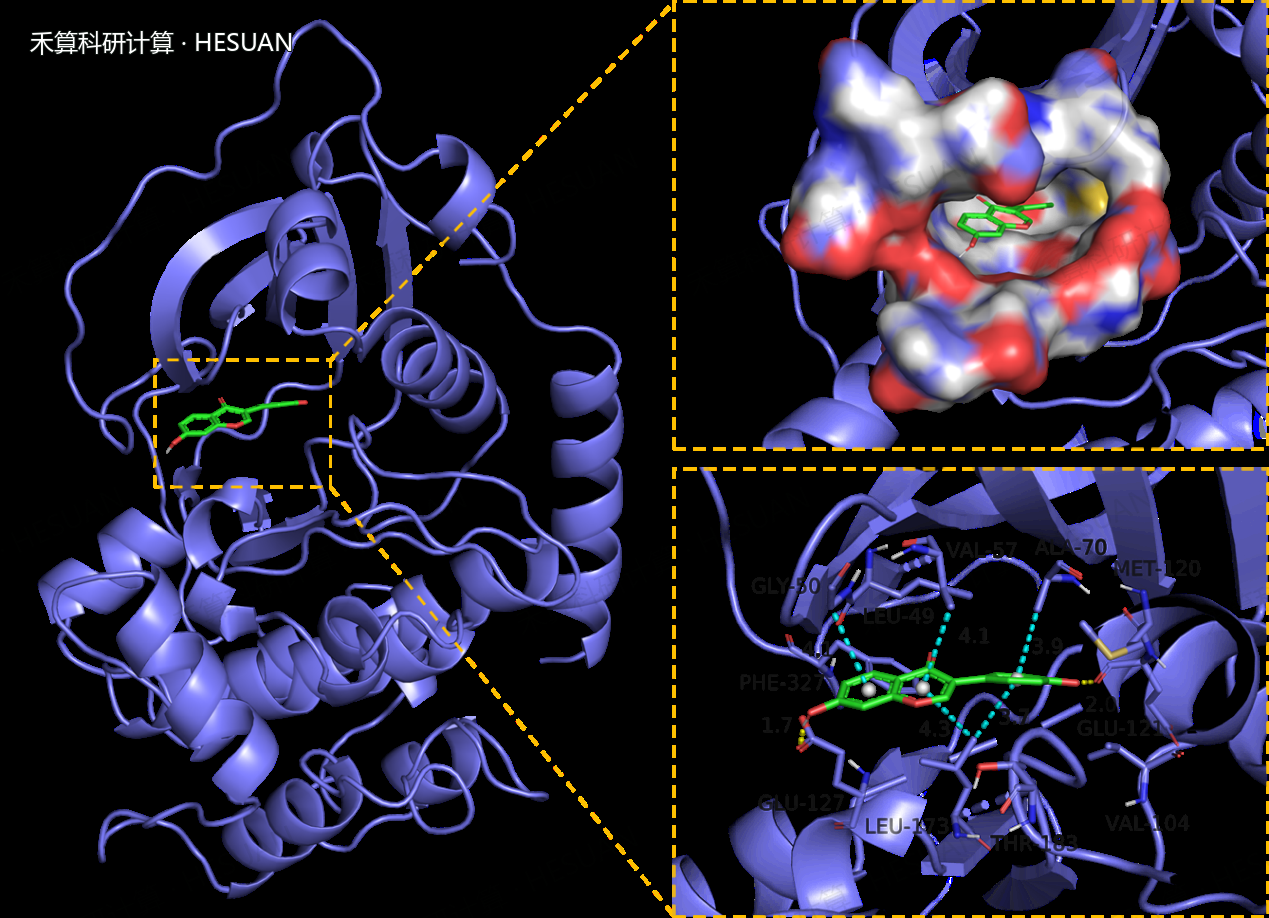
Comparative Docking Modes Across Multiple Anonymous Compounds
Candidate compounds are compared under one protocol across binding poses, pocket fit and key contacts to establish a clear model-level ranking. The graphical abstract brings together candidate distributions, structural review and property comparisons across the screening funnel. The results establish a clear candidate hierarchy for experimental selection and subsequent lead optimisation. The result-focused presentation supports efficient review of the main evidence and research priorities.
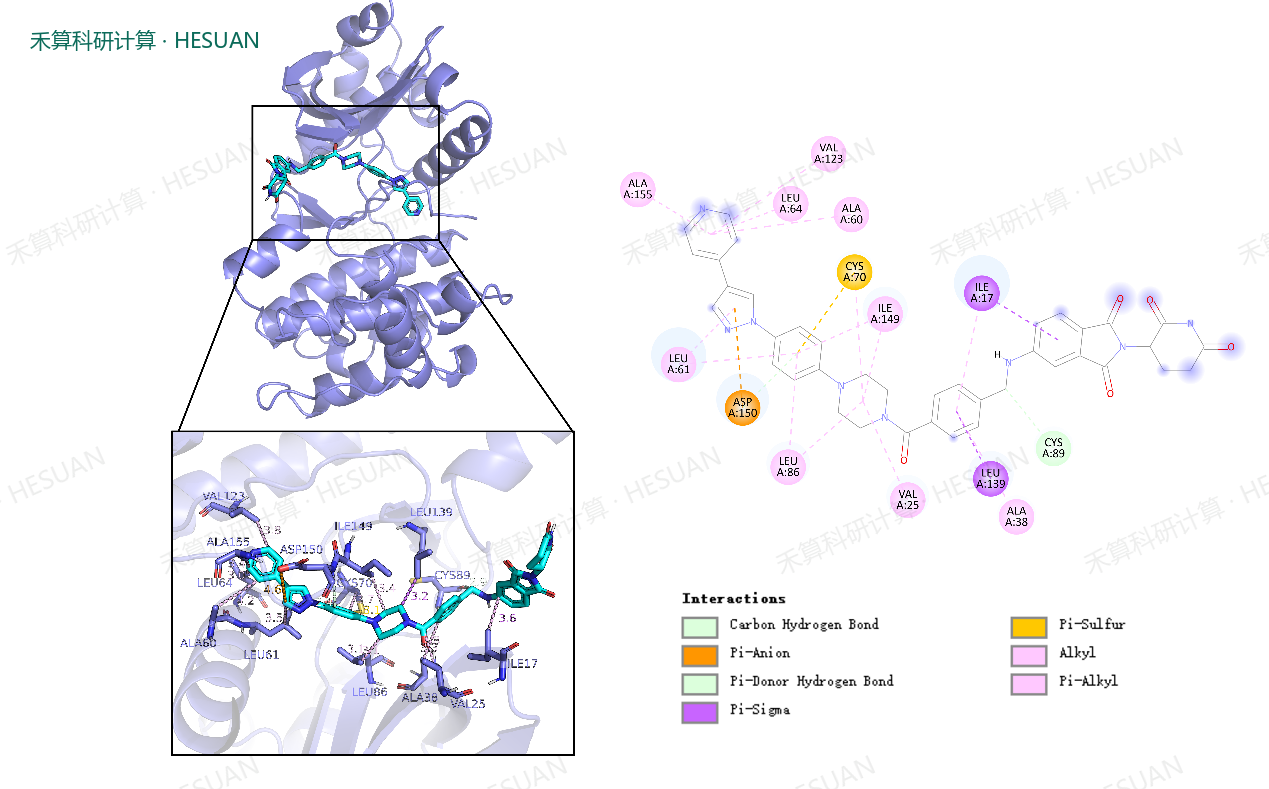
Paired-Ligand Docking Pose and Relative-Score Review
Representative poses, key contacts and relative-ranking trends for Candidates A and B are compared under a matched protocol. The graphical abstract aligns representative poses, key contacts and cross-condition comparisons so interaction patterns can be reviewed quickly. The combined results establish pose priorities and actionable interaction leads. The result-focused presentation supports efficient review of the main evidence and research priorities.
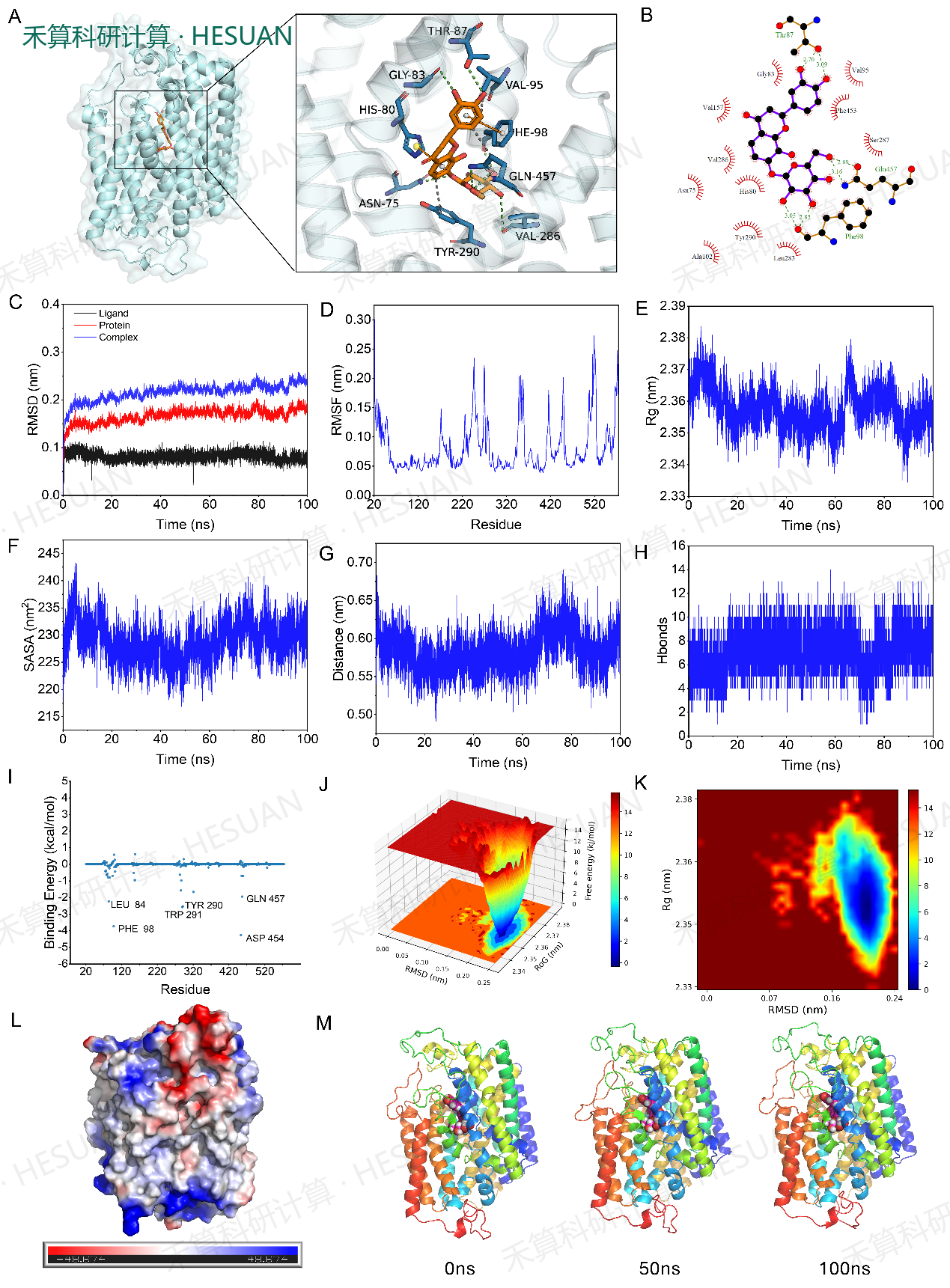
In-Depth Protein–Ligand Dynamics Review
Trajectory stability, contact persistence and conformational overlays jointly describe the main dynamic features of the protein–ligand complex in explicit solvent. The graphical abstract aligns representative poses, key contacts and cross-condition comparisons so interaction patterns can be reviewed quickly. The combined results establish pose priorities and actionable interaction leads. The result-focused presentation supports efficient review of the main evidence and research priorities.
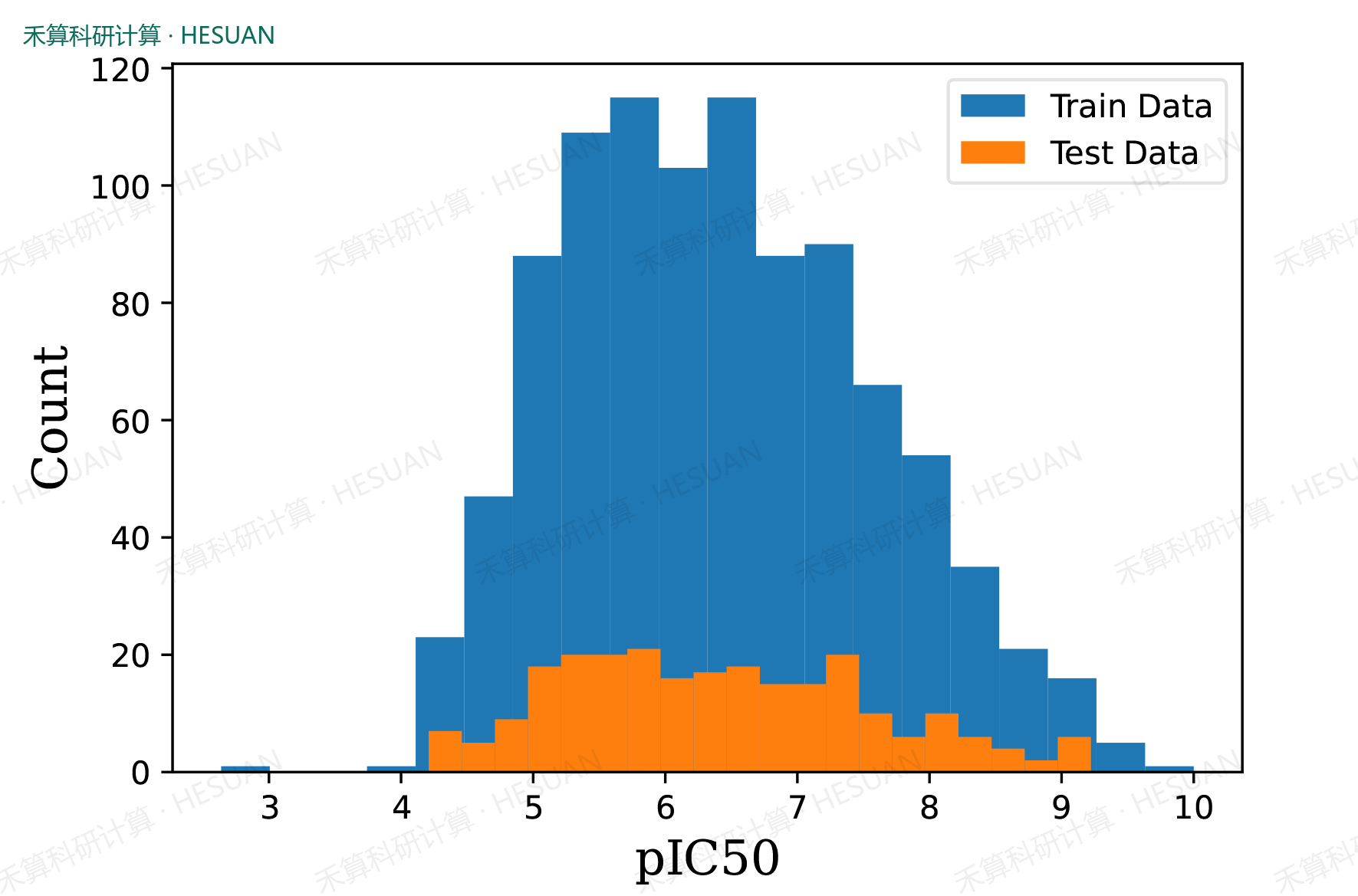 Report-backed
Candidate Inhibitor Discovery by Coupling Machine Learning with Physics-Based Models
Ligand-feature learning, structure-based screening, dynamics and property assessment are combined into a traceable prioritisation path. The graphical abstract brings together candidate distributions, structural review and property comparisons across the screening funnel. The results establish a clear candidate hierarchy for experimental selection and subsequent lead optimisation. The result-focused presentation supports efficient review of the main evidence and research priorities.
 Report-backed
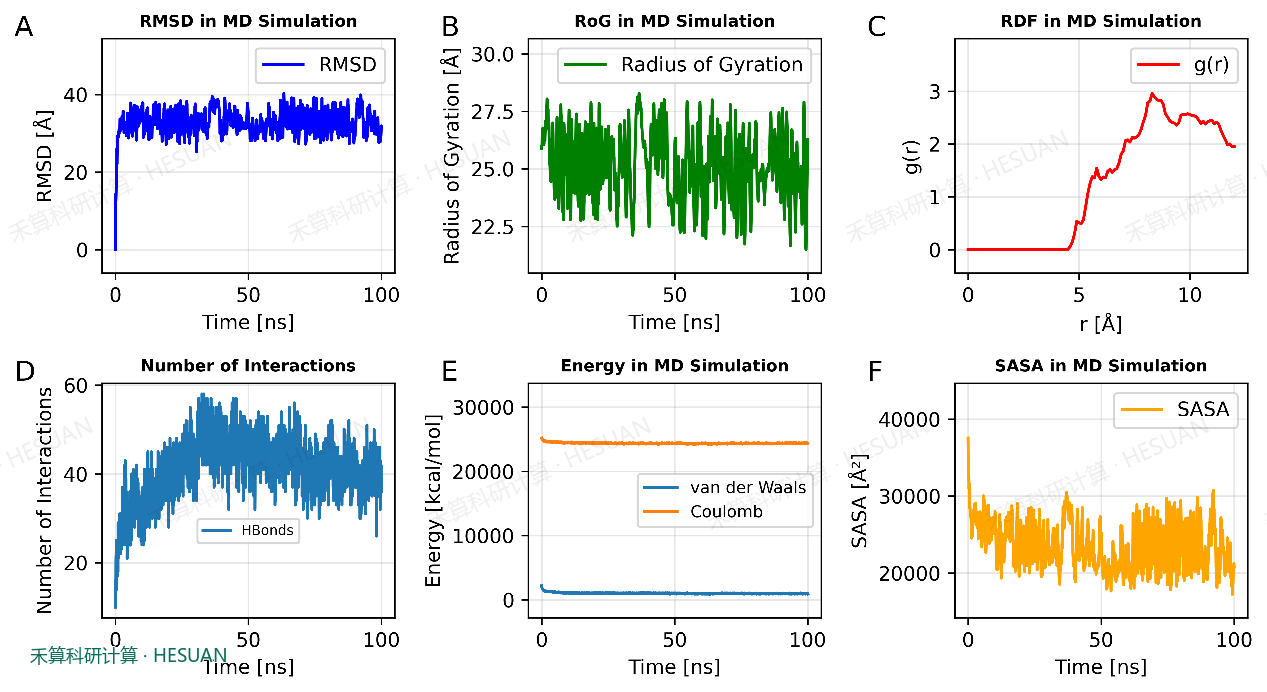
Docking, Dynamics and Energetic Review of a Metal-Complex Candidate
Metal-complex parameterisation is followed by binding-pose, sampling-stability, local-interaction and approximate-energy review. The graphical abstract aligns representative poses, key contacts and cross-condition comparisons so interaction patterns can be reviewed quickly. The combined results establish pose priorities and actionable interaction leads. The result-focused presentation supports efficient review of the main evidence and research priorities. It also supports focused comparison across the disclosed computational results.
 Report-backed
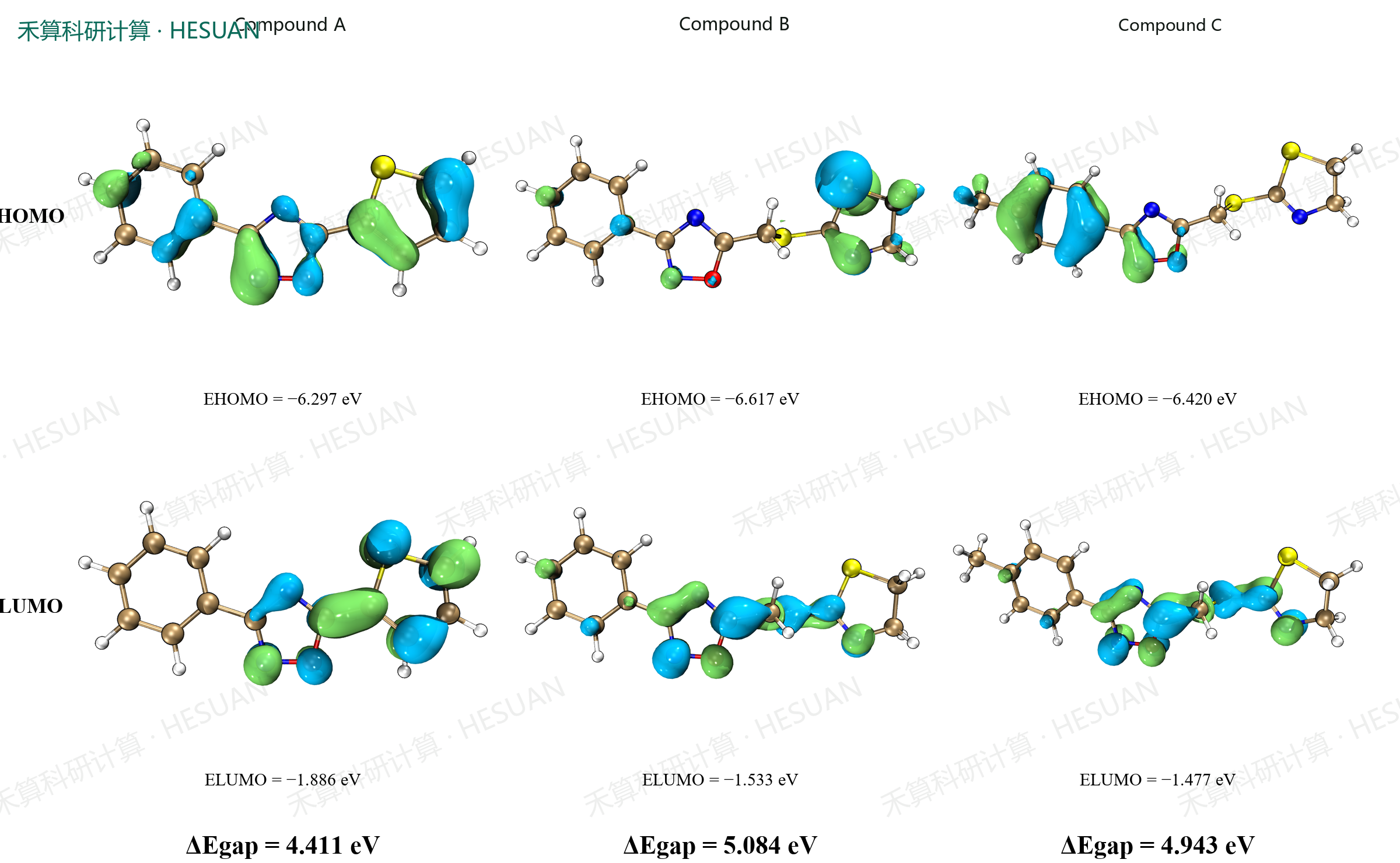
Frontier-Orbital and Electrostatic-Potential Analysis of a Candidate Compound
Geometry optimisation with HOMO, LUMO and electrostatic-potential mapping describes donor/acceptor regions and reactivity clues. The graphical abstract combines electronic structure, electrostatic distribution and energetic features of the candidate system. The results provide clear leads for reactivity comparison, interaction interpretation and molecular optimisation. The result-focused presentation supports efficient review of the main evidence and research priorities.
 Report-backed
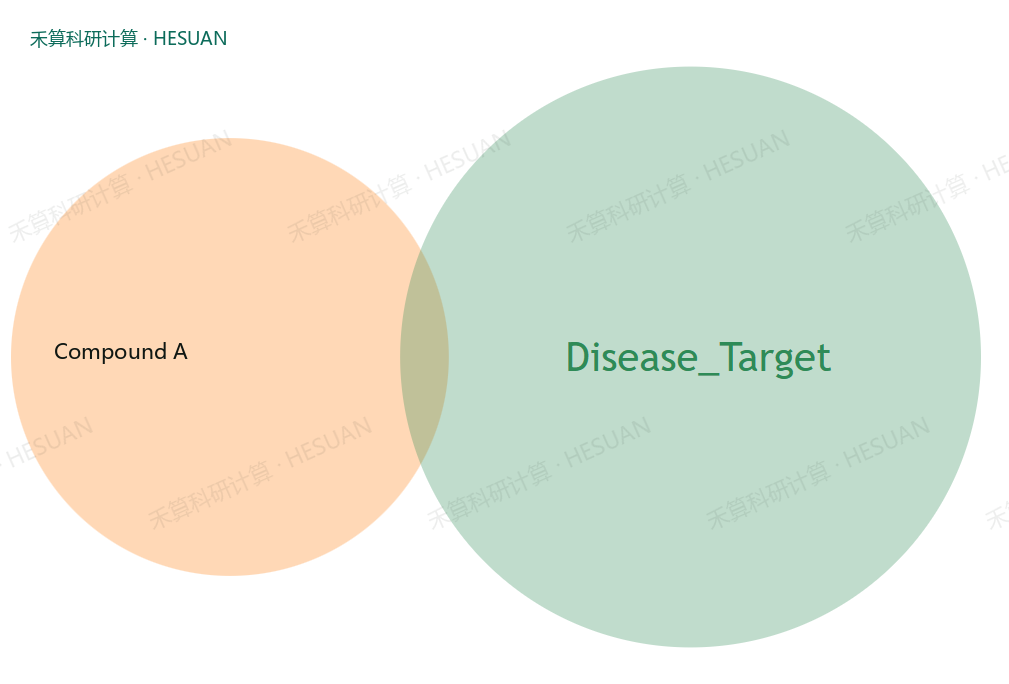
Layered Evidence Integration across Network Pharmacology, Docking and Dynamics
Evidence is organised across compounds, targets, pathways, structural poses and dynamic stability to build traceable priorities. The graphical abstract connects network, functional and structural results across the evidence layers. The cross-layer results establish focused priorities for targets, pathways and mechanistic investigation. The result-focused presentation supports efficient review of the main evidence and research priorities. It also supports focused comparison across the disclosed computational results.
 Report-backed
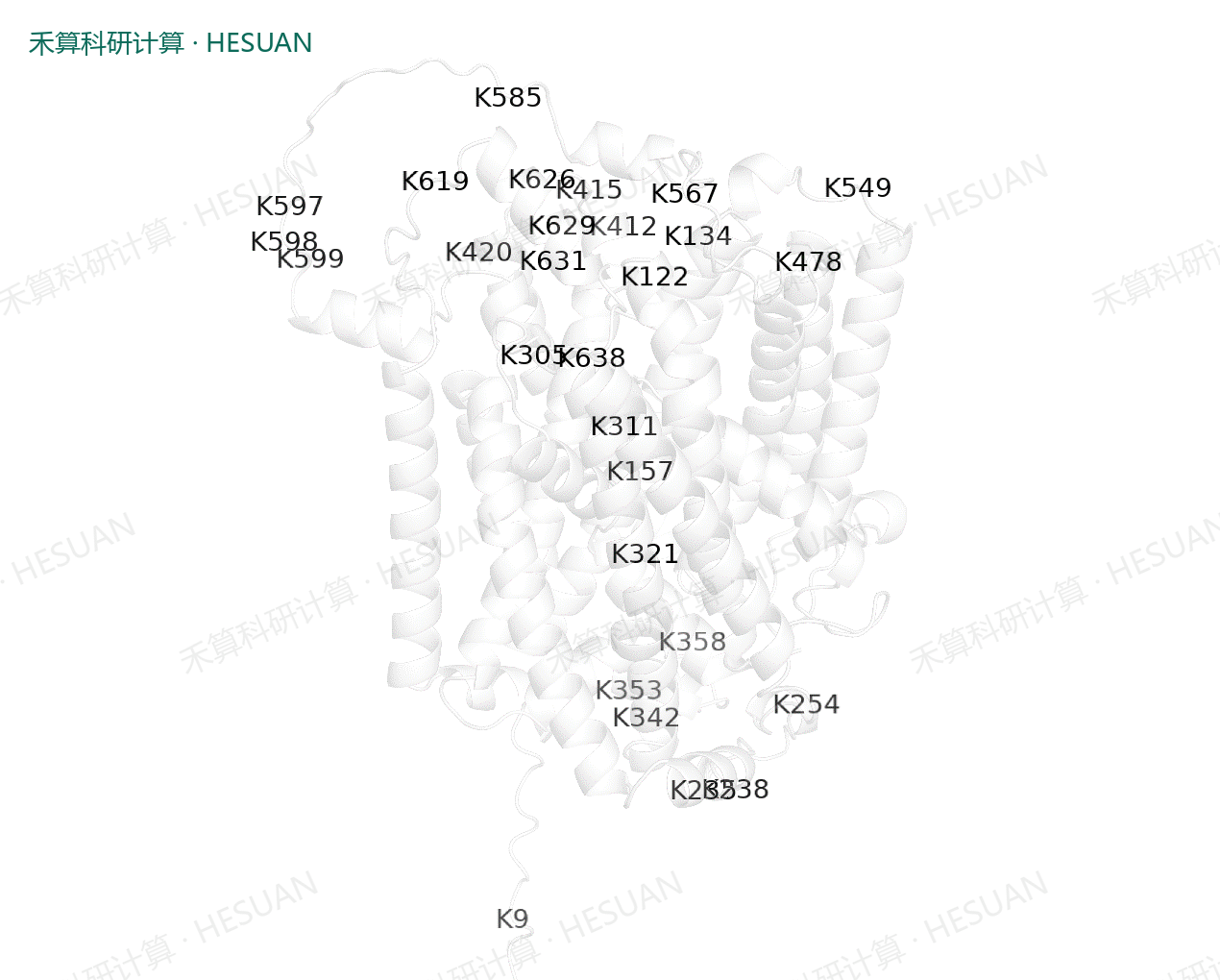
Protein Lactylation (Kla) Site Prediction and Prioritisation
Protein-sequence-based Kla prediction is combined with local-window and confidence information to prioritise candidate modification sites. The graphical abstract brings together the principal sequence, structure and property results across candidates. The combined evidence establishes actionable priorities for sequences, sites or peptide candidates. The result-focused presentation supports efficient review of the main evidence and research priorities. It also supports focused comparison across the disclosed computational results.
 Report-backed
Aggregation and Structural Evolution in Binary Co-Assembly
Explicit-solvent dynamics, aggregation snapshots and structural metrics trace a binary system from dispersion to co-aggregation. The graphical abstract links aggregation snapshots, structural metrics and conformational distributions across the assembly process. The combined results clarify aggregation paths, key contacts and representative states. The result-focused presentation supports efficient review of the main evidence and research priorities. It also supports focused comparison across the disclosed computational results.
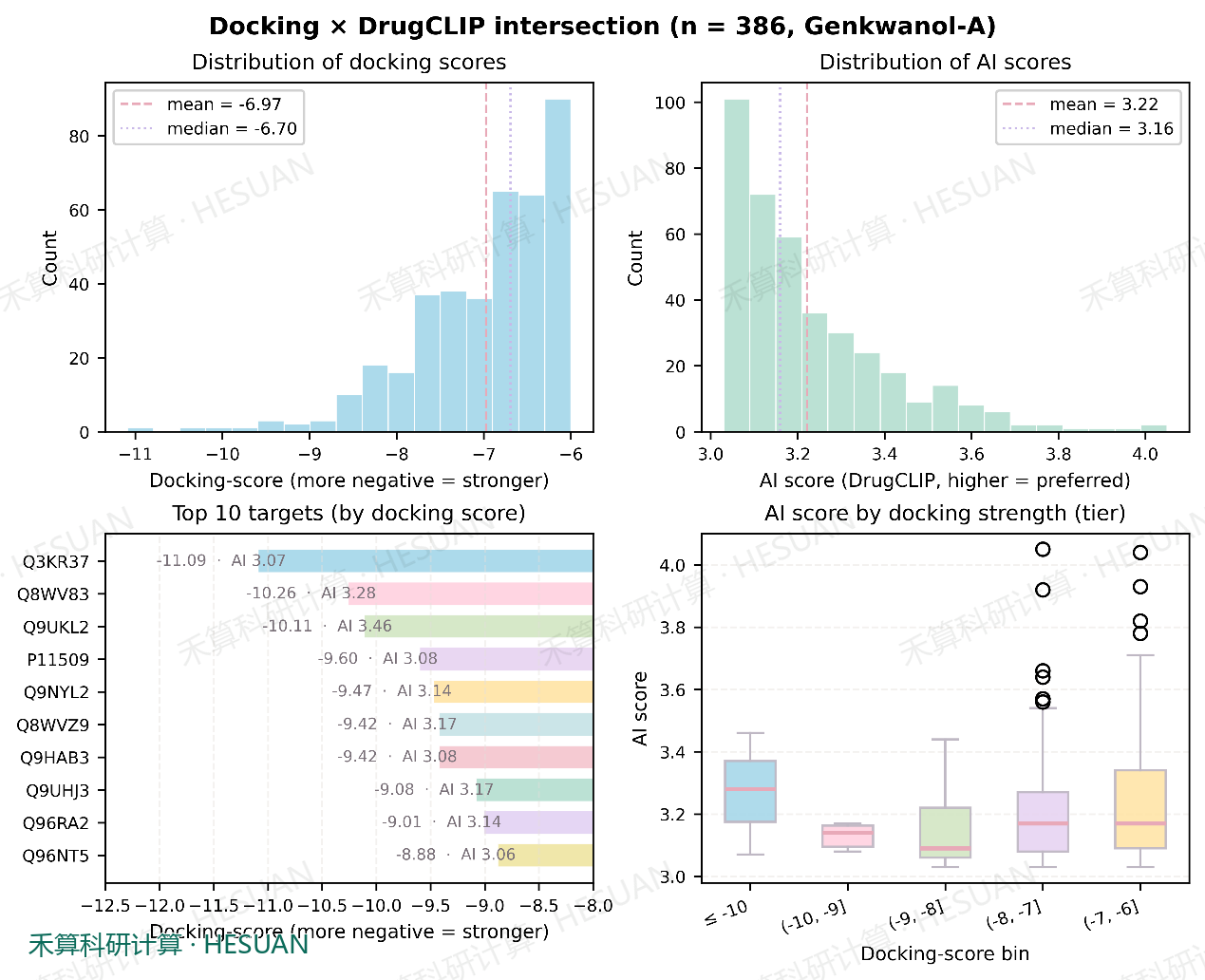
Reverse Target Identification with Structural Docking and Functional Enrichment Review
Reverse-target retrieval, structural docking and functional enrichment are linked to form a tiered target shortlist. The graphical abstract brings together candidate distributions, structural review and property comparisons across the screening funnel. The results establish a clear candidate hierarchy for experimental selection and subsequent lead optimisation. The result-focused presentation supports efficient review of the main evidence and research priorities.
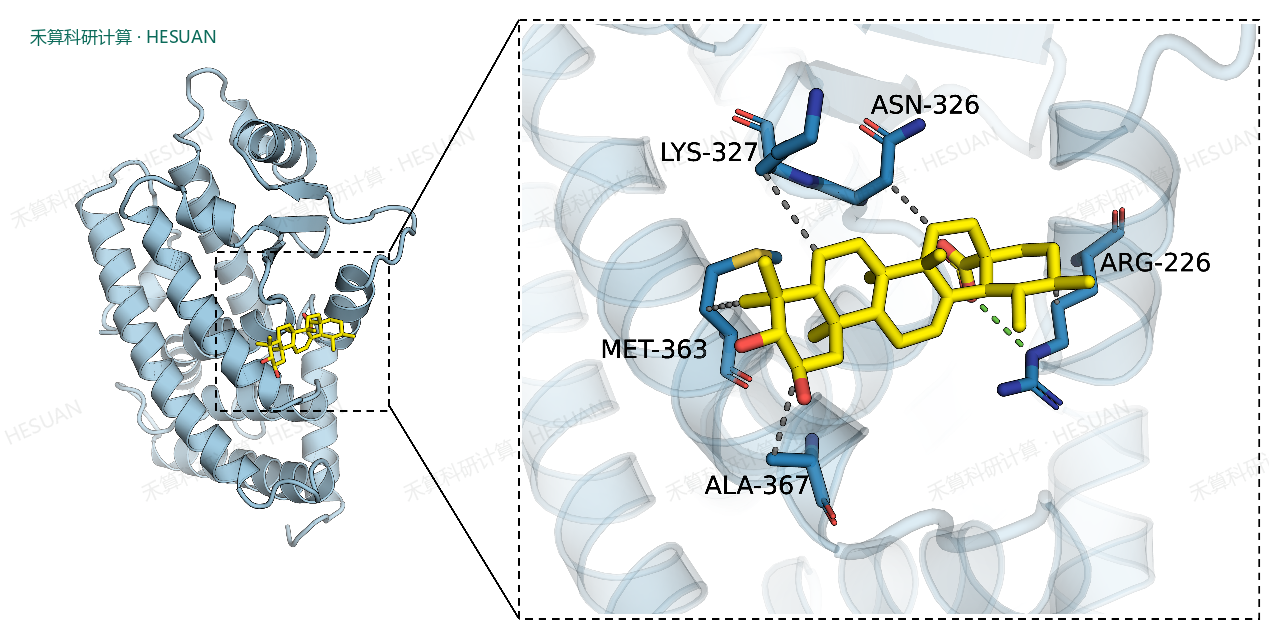
Protein–Ligand Docking, Dynamics and MM/GBSA Review
A docked pose is reviewed through explicit-solvent dynamics, trajectory diagnostics, contact networks and approximate MM/GBSA energy. The graphical abstract aligns representative poses, key contacts and cross-condition comparisons so interaction patterns can be reviewed quickly. The combined results establish pose priorities and actionable interaction leads. The result-focused presentation supports efficient review of the main evidence and research priorities.
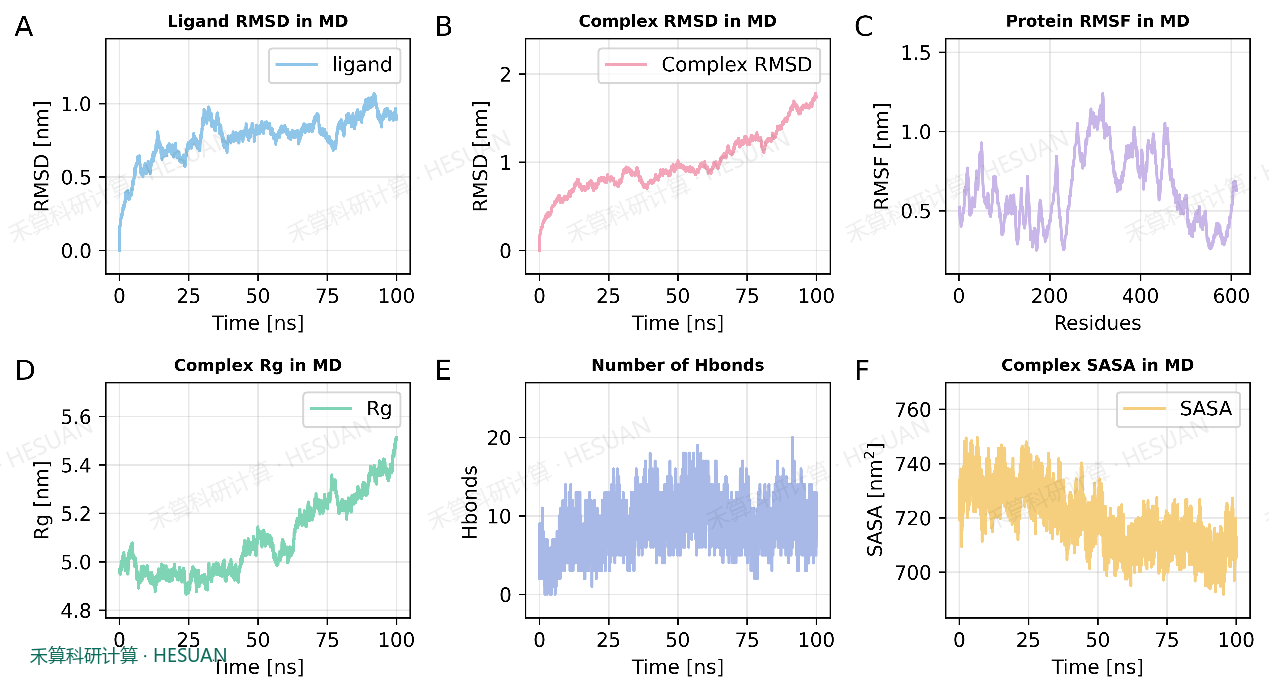
Protein-Complex Dynamics, Local Contributions and FEL Review
Representative conformations are reviewed through trajectory stability, interface contacts, local energetic contributions and FEL projections. The graphical abstract integrates interface poses, dynamic changes and local contributions across the complex states. The results establish clear priorities for representative models and key interface regions. The result-focused presentation supports efficient review of the main evidence and research priorities.
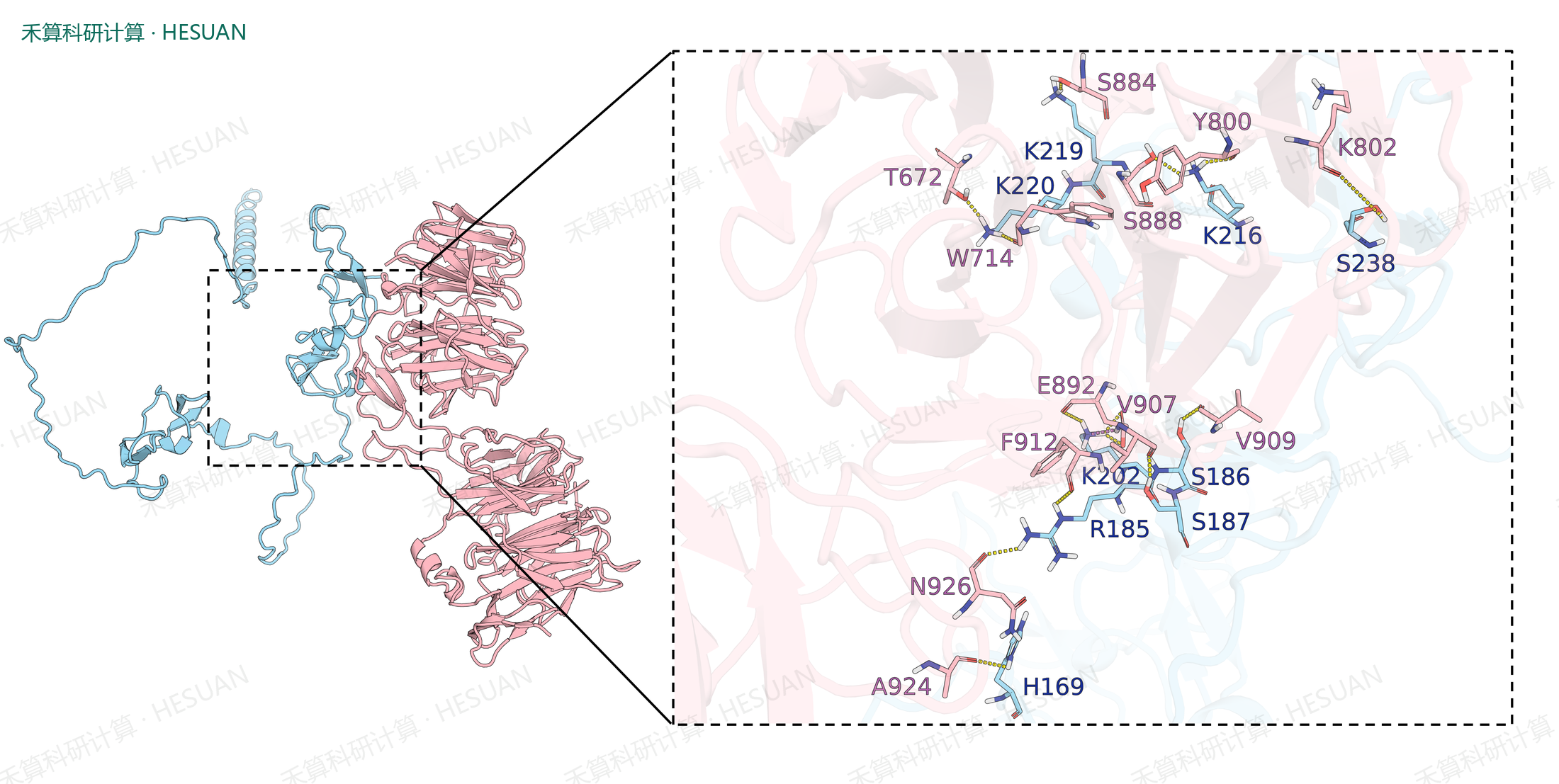
HADDOCK Restraint-Guided Docking, Clustering and Interface Review
Known or hypothesised interface restraints guide complex generation, followed by clustering, score-component and contact review. The graphical abstract integrates interface poses, dynamic changes and local contributions across the complex states. The results establish clear priorities for representative models and key interface regions. The result-focused presentation supports efficient review of the main evidence and research priorities.
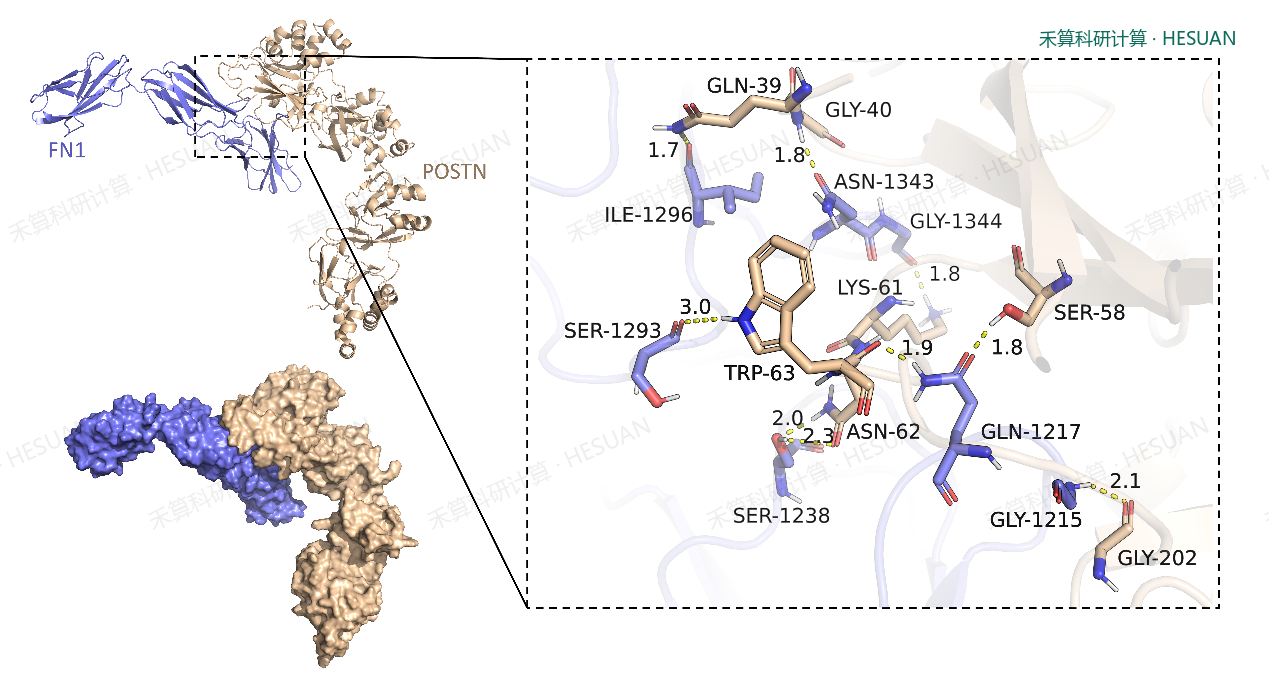
HDOCK Protein–Protein Pose and Interface Review
Representative HDOCK poses are reviewed by score, interface geometry and key contacts to identify working models for refinement. The graphical abstract integrates interface poses, dynamic changes and local contributions across the complex states. The results establish clear priorities for representative models and key interface regions. The result-focused presentation supports efficient review of the main evidence and research priorities.

Protein–Protein Docking Scores and Representative-Pose Comparison
Multiple protein-docking poses are compared under one protocol using model scores, cluster positions and interface features. The graphical abstract integrates interface poses, dynamic changes and local contributions across the complex states. The results establish clear priorities for representative models and key interface regions. The result-focused presentation supports efficient review of the main evidence and research priorities.
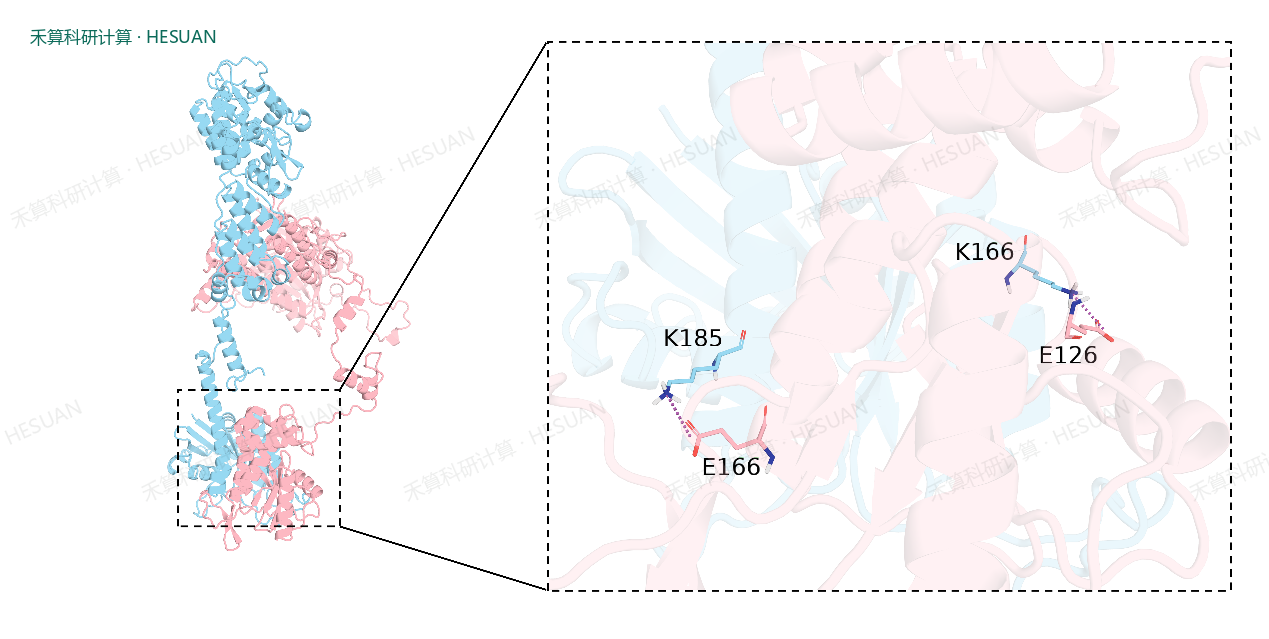
Structure-Prediction-Guided Protein-Complex Modelling Review
Predicted monomer structures are quality-controlled, docked and inspected at the interface to produce working models for validation. The graphical abstract integrates interface poses, dynamic changes and local contributions across the complex states. The results establish clear priorities for representative models and key interface regions. The result-focused presentation supports efficient review of the main evidence and research priorities.
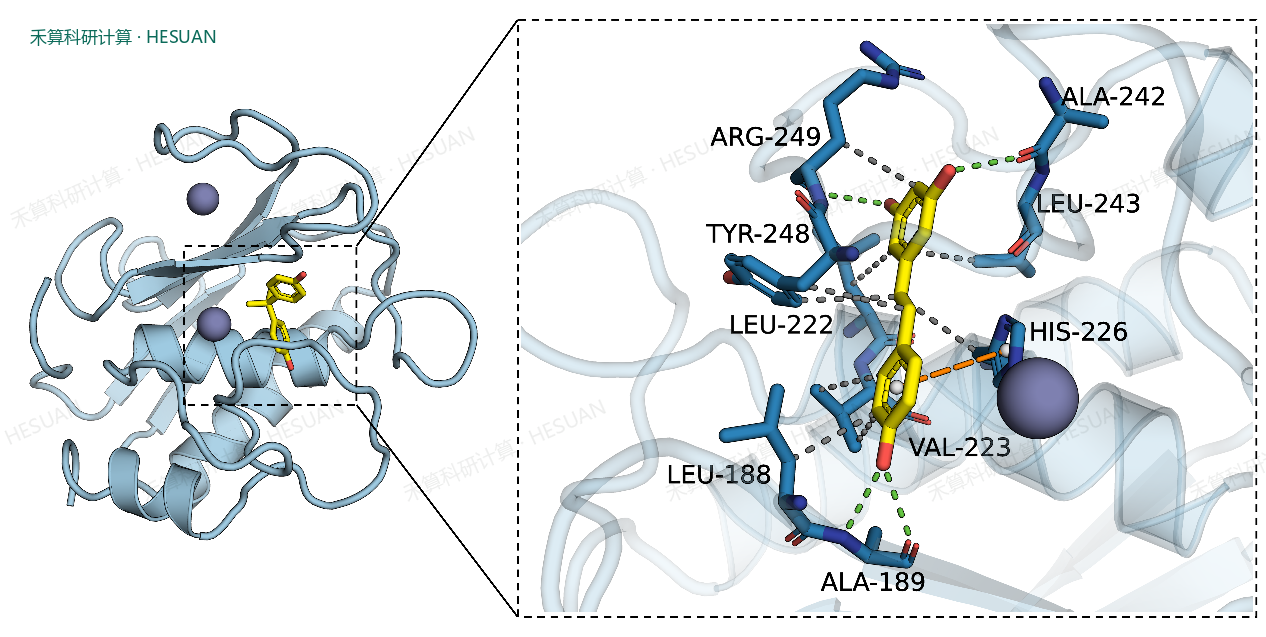
Candidate Binding-Pose Review across a Global Protein Search Space
Candidate binding regions are searched across the protein surface and ranked poses are reviewed for geometry and interactions. The graphical abstract aligns representative poses, key contacts and cross-condition comparisons so interaction patterns can be reviewed quickly. The combined results establish pose priorities and actionable interaction leads. The result-focused presentation supports efficient review of the main evidence and research priorities.
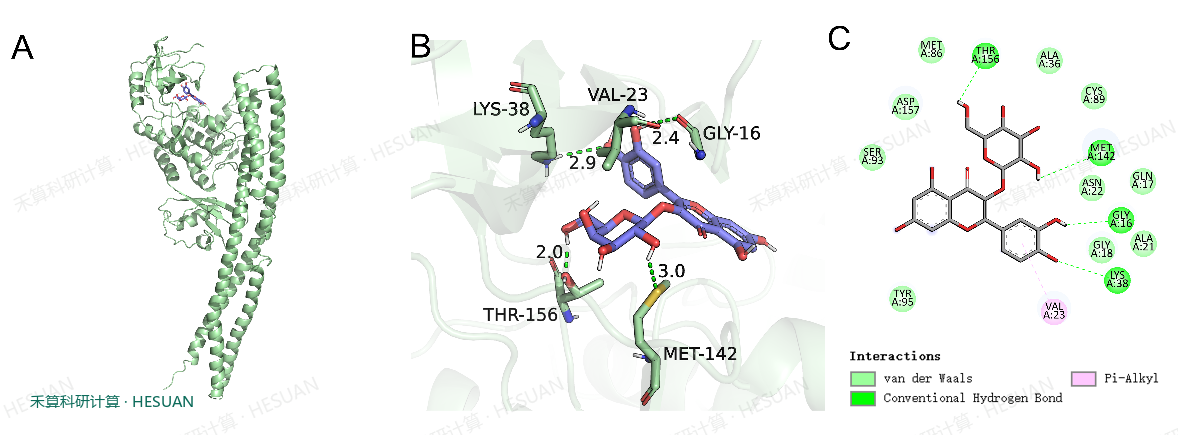
Small-Molecule Docking Review in a Crystal-Defined Pocket
A crystal ligand or known pocket constrains the search space before pose geometry and key contacts are reviewed. The graphical abstract aligns representative poses, key contacts and cross-condition comparisons so interaction patterns can be reviewed quickly. The combined results establish pose priorities and actionable interaction leads. The result-focused presentation supports efficient review of the main evidence and research priorities.
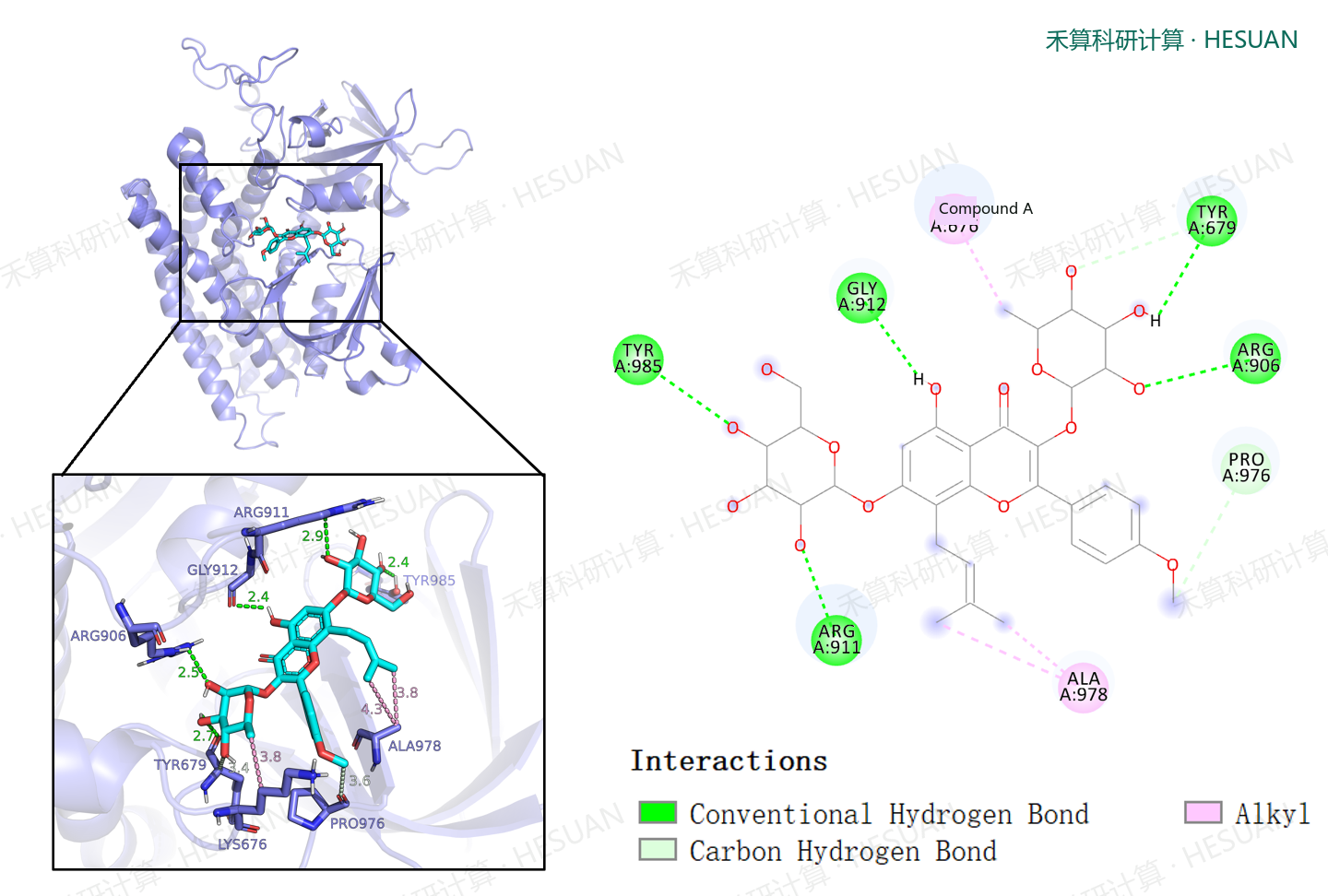
Docking-Pose Review of Hydrogen-Bond, Halogen-Bond and Electrostatic Interactions
Candidate poses are reviewed for the directionality, distance and local environment of hydrogen-bond, halogen-bond and electrostatic contacts. The graphical abstract aligns representative poses, key contacts and cross-condition comparisons so interaction patterns can be reviewed quickly. The combined results establish pose priorities and actionable interaction leads. The result-focused presentation supports efficient review of the main evidence and research priorities.
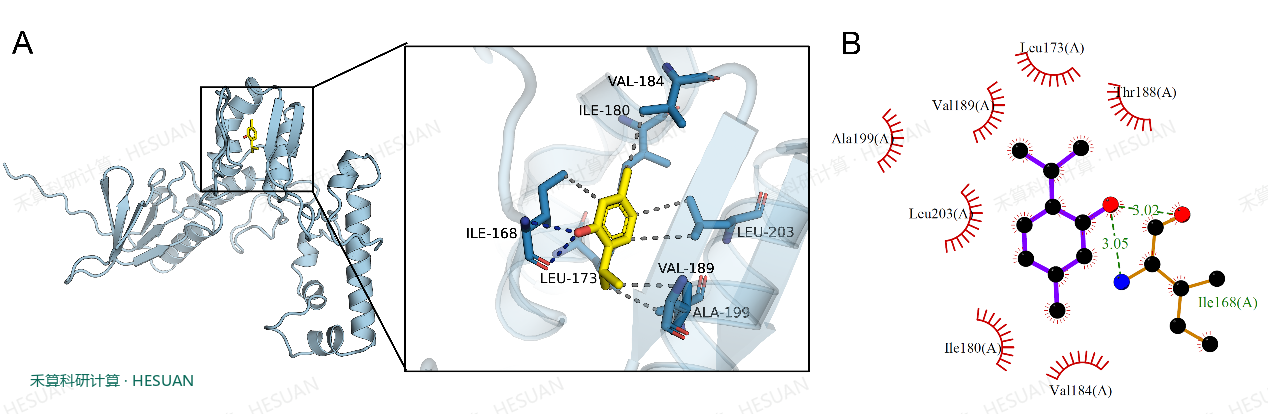
Hydrophobic-Pocket Docking Review on a Predicted Structure
Docking is performed in a candidate hydrophobic pocket on a predicted structure and interpreted with local structural confidence. The graphical abstract aligns representative poses, key contacts and cross-condition comparisons so interaction patterns can be reviewed quickly. The combined results establish pose priorities and actionable interaction leads. The result-focused presentation supports efficient review of the main evidence and research priorities.
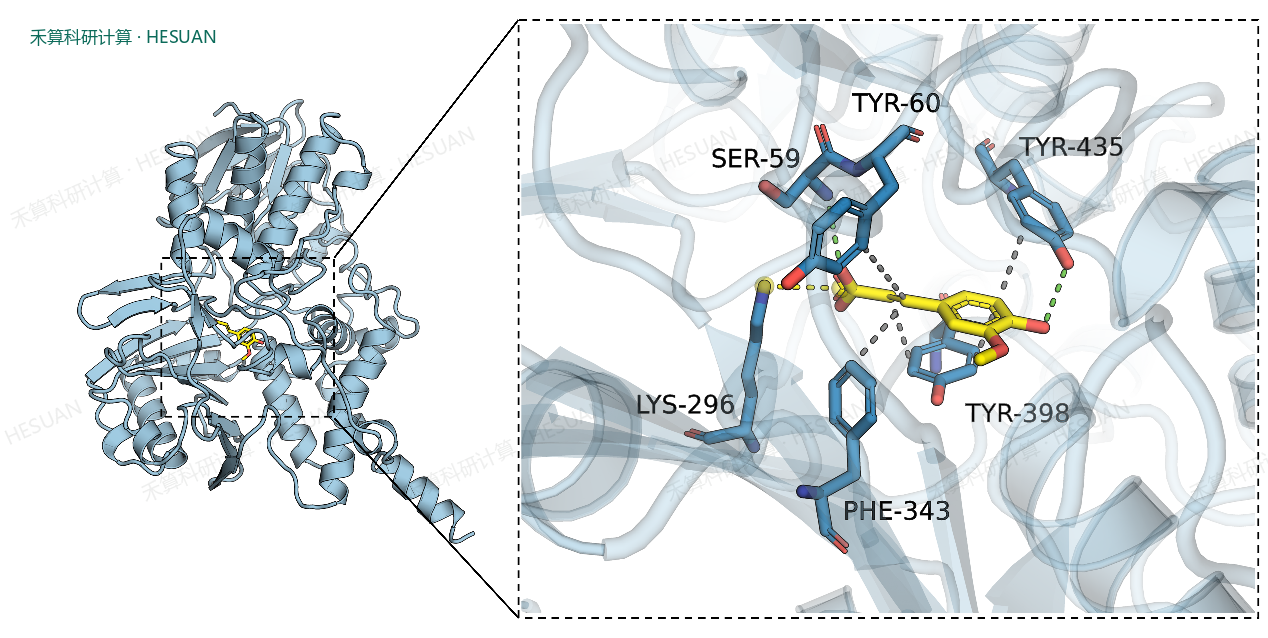
Docking-Pose Review of Salt Bridges and Aromatic Interactions
Representative poses are reviewed through salt bridges, π interactions and pocket-shape complementarity. The graphical abstract aligns representative poses, key contacts and cross-condition comparisons so interaction patterns can be reviewed quickly. The combined results establish pose priorities and actionable interaction leads. The result-focused presentation supports efficient review of the main evidence and research priorities. It also supports focused comparison across the disclosed computational results.
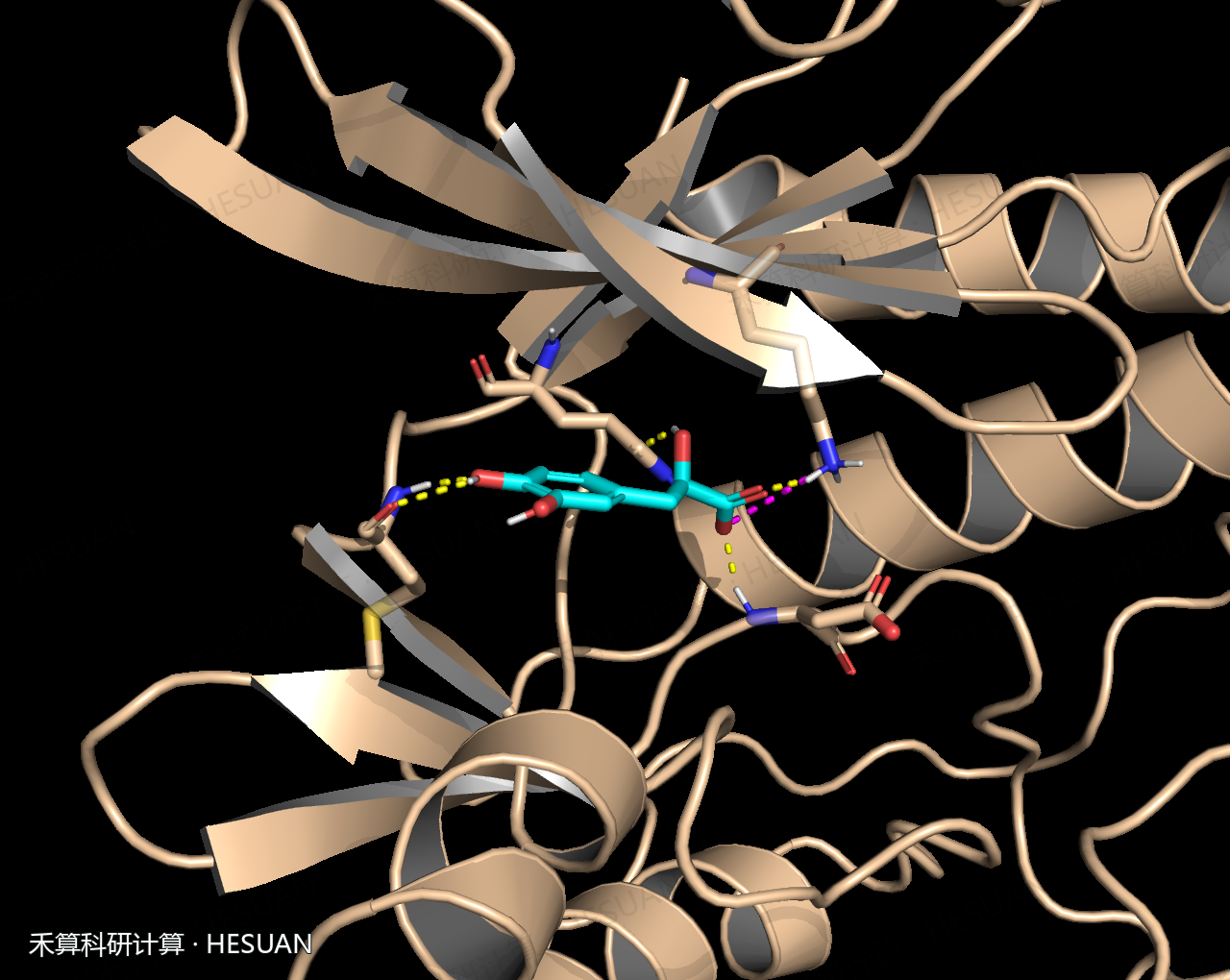
Candidate Docking-Mode Comparison across Two Receptors
The same candidate is compared across two receptor environments using matched preparation, docking, representative poses, scores and key contacts. The graphical abstract aligns representative poses, key contacts and cross-condition comparisons so interaction patterns can be reviewed quickly. The combined results establish pose priorities and actionable interaction leads. The result-focused presentation supports efficient review of the main evidence and research priorities.
 Method demo
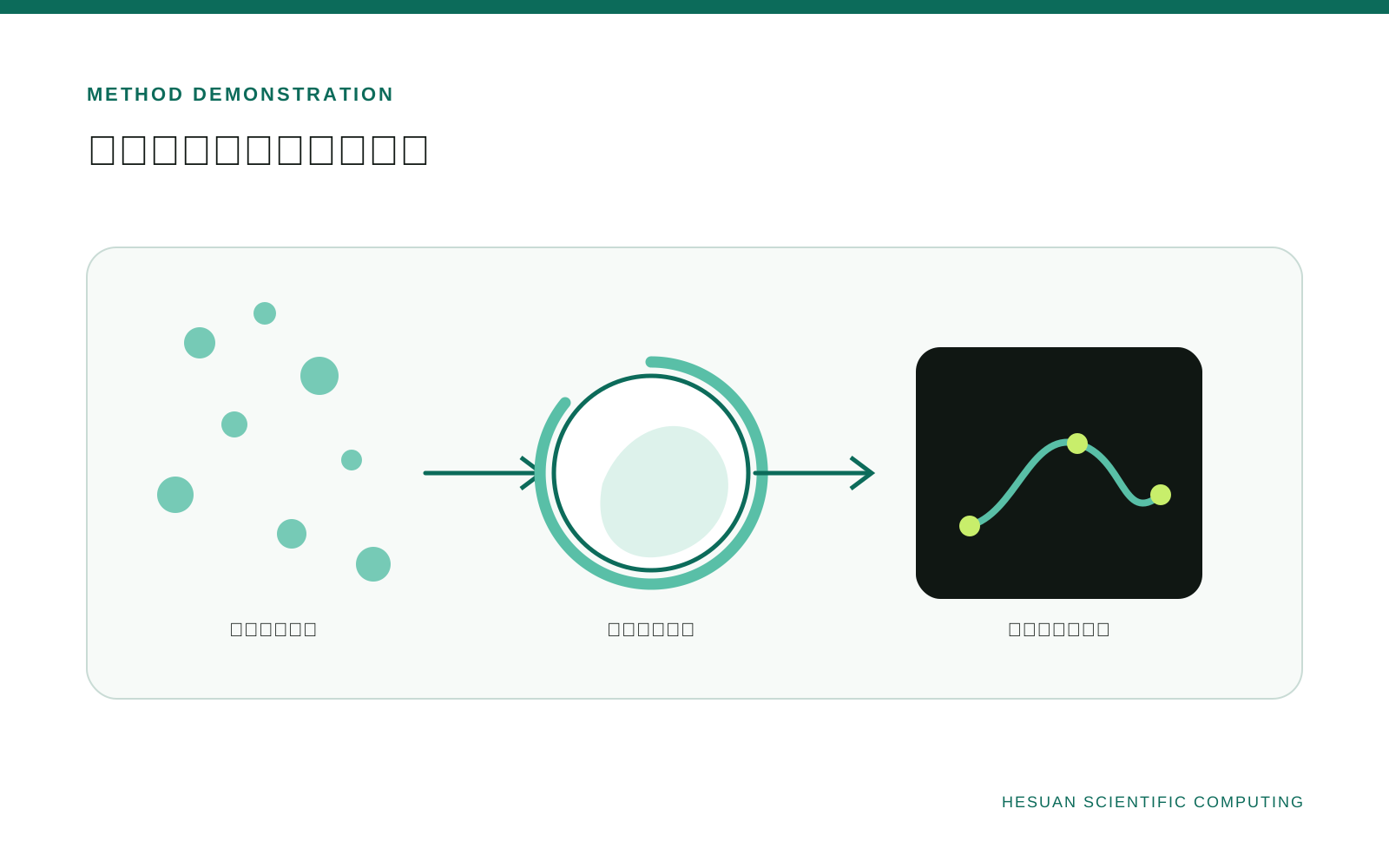
Project Design for Active-Learning Large-Scale Virtual Screening
A method demonstration for organising large-scale virtual screening around seed sampling, active-learning iterations and physics-based review. The graphical abstract brings together candidate distributions, structural review and property comparisons across the screening funnel. The results establish a clear candidate hierarchy for experimental selection and subsequent lead optimisation. The result-focused presentation supports efficient review of the main evidence and research priorities.
 Method demo
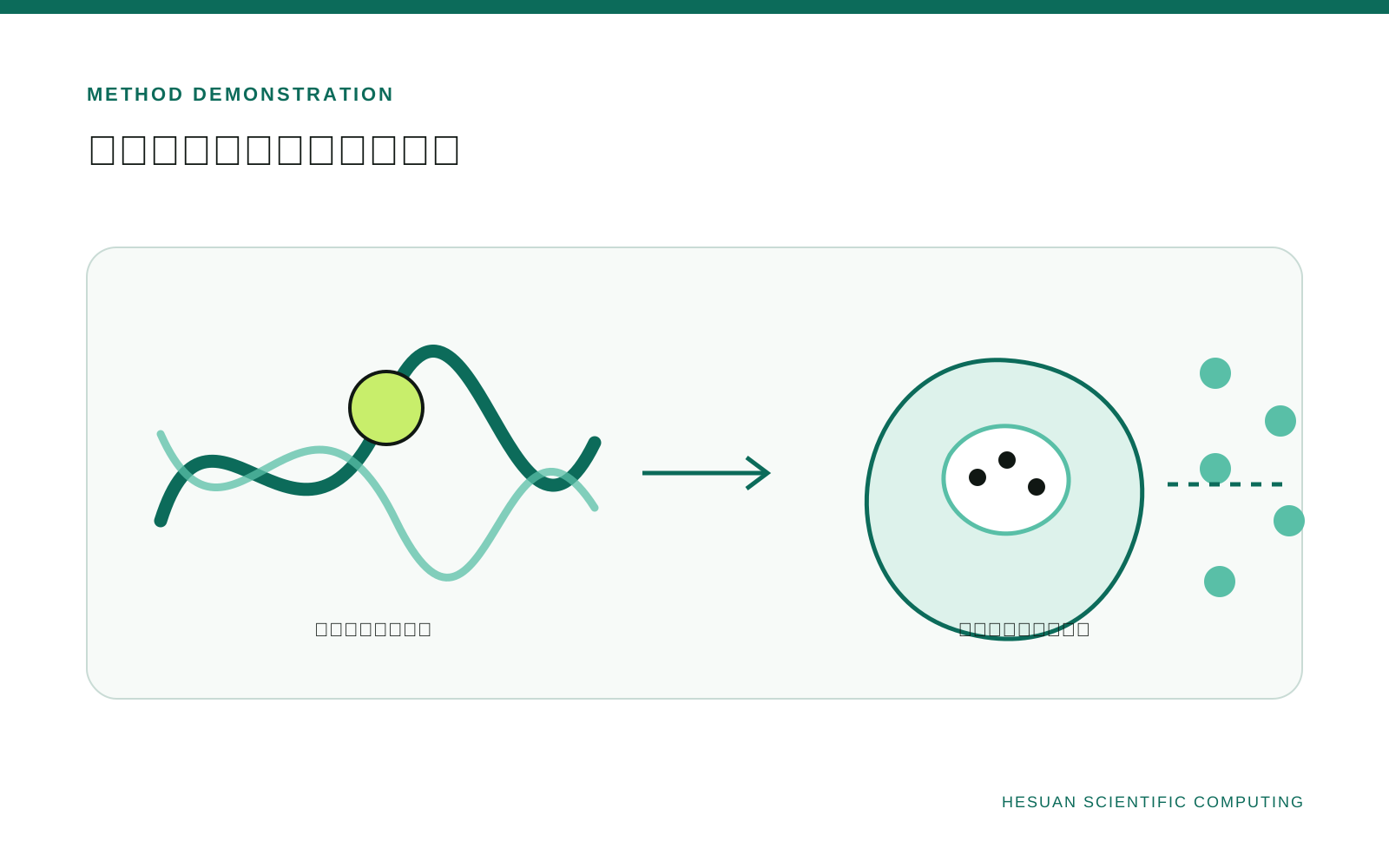
Virtual-Screening Workflow Driven by Pockets in Disordered Regions
A method demonstration spanning disordered-state ensembles, transient-pocket identification, ensemble docking and review. The graphical abstract brings together candidate distributions, structural review and property comparisons across the screening funnel. The results establish a clear candidate hierarchy for experimental selection and subsequent lead optimisation. The result-focused presentation supports efficient review of the main evidence and research priorities.
 Report-backed
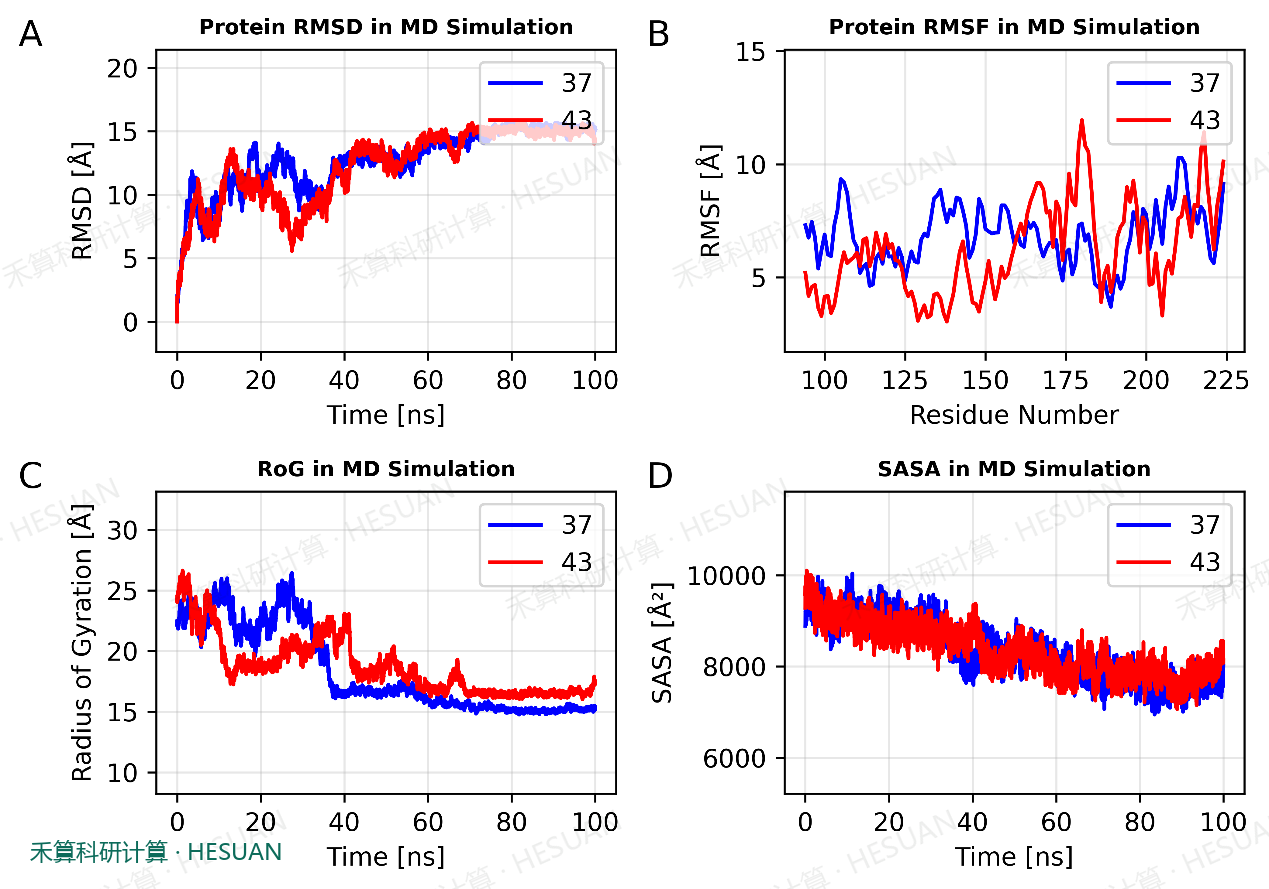
Temperature-Dependent Dynamics and End-State Comparison of a Protein Mutant
This case compares RMSD, RMSF, radius of gyration, SASA and end-state conformations for a protein mutant under two temperature conditions. The graphical abstract shows differences in global fluctuations, local flexibility and structural compactness, together with temperature-associated secondary-structure features in the final snapshots. These results provide a focused basis for conformational prioritisation and subsequent structural review.
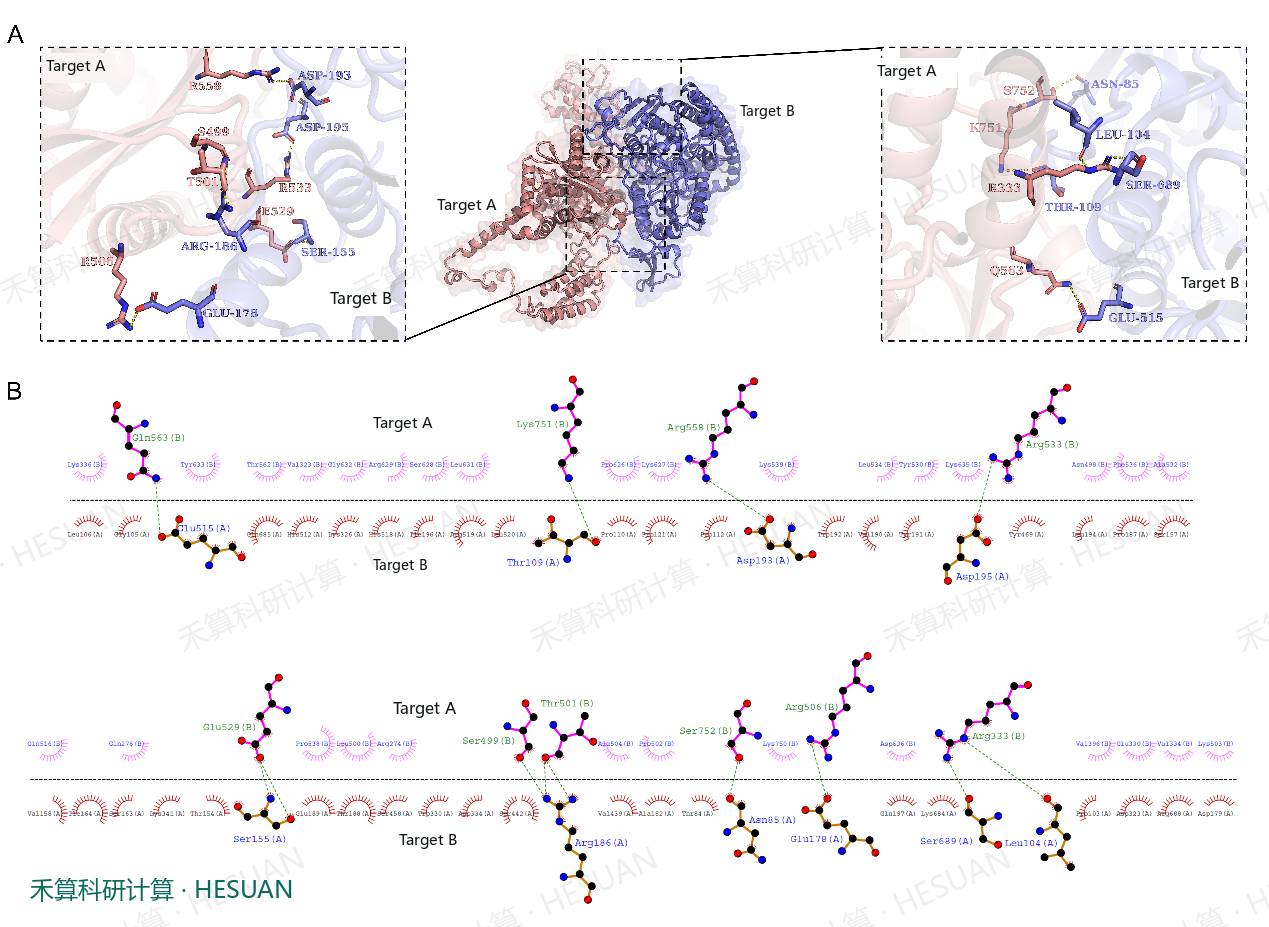
Binding-Score and Interface Hydrogen-Bond Review of a Predicted Protein Complex
This case reviews a predicted protein-complex working model by integrating a model-derived score, the three-dimensional interface and a two-dimensional hydrogen-bond network. The graphical abstract aligns the overall assembly, interface contact regions and key hydrogen-bond positions. Together, these results connect the score with structural geometry and establish a representative conformation for interface refinement and subsequent dynamic review.